

Iran announces major change to Strait of Hormuz after war
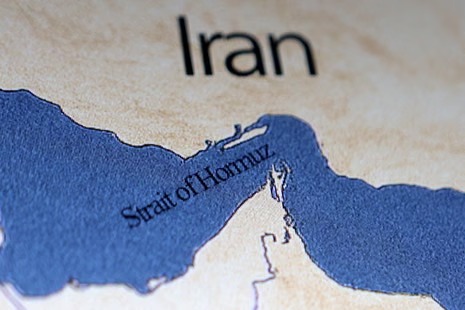
Iranian Deputy Parliament Speaker Ali Nikzad said the country had repeatedly warned during the conflict that the Strait of Hormuz would not operate in the same way after the war.
According to Iranian media reports, Nikzad made the remarks while discussing the regional situation in the Iranian parliament. He said Iran had tried to make its position clear to its opponents during the conflict.
He claimed that the warning had been ignored. However, he said the situation had now changed and a new approach to the important waterway was taking shape.
New maritime system could be introduced
Nikzad said the United States and Israel had now realised that the waterway could not simply be reopened through military force.
He claimed that a new system was being created in the region and that all relevant parties would have to accept the changed situation.
However, the Iranian official did not explain exactly what the proposed system would look like or when it could become operational.
The Strait of Hormuz is one of the world’s most important shipping routes. Any major change in its operation could affect international maritime traffic and regional trade.
Iran and Oman discuss safe passage
Iran and Oman have recently been discussing arrangements to ensure the safe movement of commercial ships through the Strait of Hormuz.
Iran has previously said that establishing a safe maritime route and fully reopening the waterway are two separate issues.
Read Also: Iran sees no reason to be concerned about the Makkah Joint Defence Agreement
Under possible future arrangements, new procedures could be introduced for shipping, security, environmental protection and other maritime services.
The comments suggest that Iran wants greater control over how the waterway operates in the future rather than simply returning to the previous system.
Economic problems remain a priority
Nikzad also said that Iran’s economic situation is one of the country’s main concerns.
The war and prolonged tensions have created pressure on the Iranian economy. He said reducing these economic difficulties and strengthening the domestic economy should now be among the government’s top priorities.
The latest development comes as regional tensions remain high. The future of the Strait of Hormuz could therefore remain closely linked to security, trade and diplomatic developments in the region.