

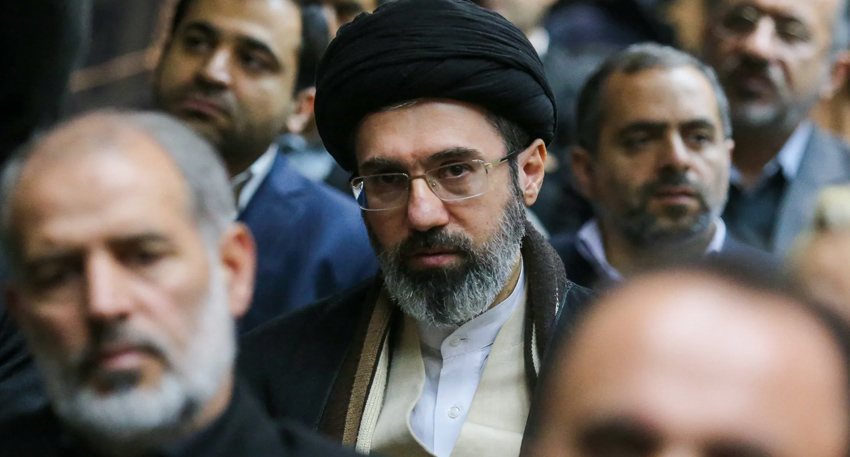
Iran’s Supreme Leader Mojtaba Khamenei has formally approved a two-week ceasefire, ordering all military units to immediately halt offensive operations.
According to Iranian state media, the move marks a significant step toward reducing regional tensions and advancing ongoing US-Iran peace negotiations.
Strait of Hormuz Reopened for Two Weeks
In a major development, Iran also announced the reopening of the Strait of Hormuz for two weeks, following a request from Shehbaz Sharif and Asim Munir.
The decision is expected to:
- Ensure safe passage for global shipping
- Stabilize international oil markets
- Support ongoing diplomatic efforts
Key Highlights of Iran’s 10-Point Plan
According to the Iranian Supreme National Security Council, the accepted proposals include several major geopolitical and economic demands:
- Non-aggression guarantee from the United States
- Continued Iranian control over the Strait of Hormuz
- Recognition of Iran’s nuclear enrichment rights
- Removal of all primary and secondary sanctions
- Cancellation of resolutions from the UN Security Council and nuclear watchdog bodies
- Compensation to Iran for damages
- Withdrawal of US military forces from the region
- Ceasefire across Lebanon and other regional fronts
Iran stated these terms reflect a strategic victory achieved through resistance and negotiations.
Also Read: Trump accepts Pakistan’s proposal, delays Iran attack deadline by 2 weeks
Iran Thanks Pakistan for Mediation Efforts
Iranian Foreign Minister Abbas Araghchi expressed gratitude to Pakistan’s leadership, praising their “tireless efforts” in achieving the ceasefire.
He stated that Iran’s acceptance of the ceasefire is based on ongoing negotiations, adding:
- Iran will halt defensive operations if attacks cease
- Ships passing through the Strait of Hormuz will be guaranteed safe routes
- The agreement is grounded in mutual diplomatic understanding
Ceasefire Linked to US Decision and Negotiation Framework
The ceasefire comes after US President Donald Trump agreed to delay a potential military strike on Iran by two weeks, following Pakistan’s diplomatic intervention.
Iran confirmed that the agreement is being shaped by a 15-point US framework and its own 10-point proposal, forming the basis for a potential long-term peace deal.
Path Toward De-escalation and Regional Stability
The coordinated steps—ceasefire, reopening of the Strait of Hormuz, and diplomatic engagement—signal a broader push toward:
- De-escalation in the Middle East
- Revival of US-Iran negotiations
- Reduction in risks to global energy supply chains
Analysts view the two-week window as a critical opportunity to finalize a lasting agreement.


