

Crude oil prices fall despite regional tensions
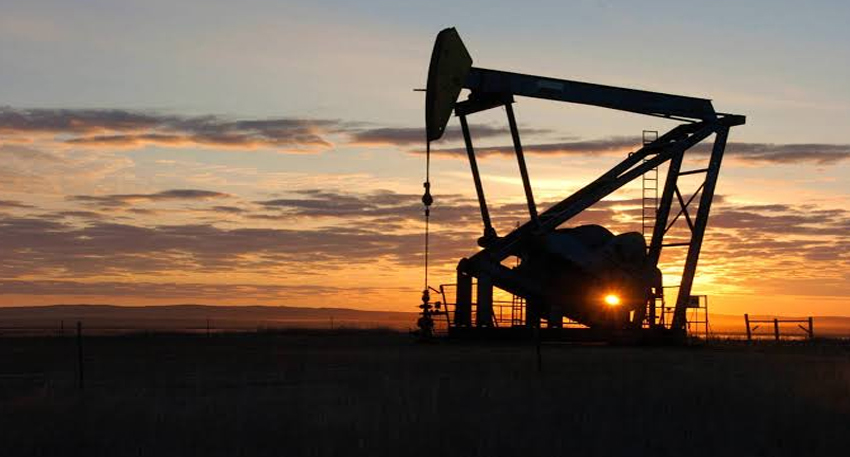
The latest drop came even as uncertainty continued across the Middle East. Analysts say markets remained calm because oil shipments continued without major disruption, reducing fears of an immediate supply shortage.
Brent crude oil and WTI both move lower
According to international reports, Brent crude oil, the global benchmark, fell by $1.29 per barrel to trade at $89.45 per barrel.
At the same time, West Texas Intermediate (WTI), the US benchmark, declined by 56 cents, or 0.66%, to $83.90 per barrel.
The fall in both benchmarks came only one day after sharp gains caused by concerns over possible conflict in the Middle East.
Experts say the movement highlights how quickly the energy market reacts to changing events.
Why are Crude Oil Prices falling?
Despite political tensions, oil tankers continued moving through important shipping routes without interruption.
Because exports remained normal, traders believed global oil supplies would not be affected immediately. That confidence pushed Crude Oil Prices lower instead of higher.
Experts explain that oil markets react more strongly to actual supply disruptions than political statements alone.
As long as shipping remains uninterrupted, markets may avoid another sharp jump in prices.
Read Also: US-Saudi strikes in Iraq kill 20 PMF members, group says
Oil market today remains focused on supply
The oil market today is closely watching developments in the Middle East, but investors are also paying attention to global demand and supply.
Analysts say uninterrupted shipping has reassured traders that crude exports remain stable.
The oil market today is also influenced by inventory levels, refinery demand, transportation costs, and investor confidence.
If these conditions remain stable, prices could continue to fluctuate within a limited range.
More than politics affects global oil prices
Economists say global oil prices depend on many different factors.
Political tensions are important, but they are only one part of the picture.
Shipping activity, global demand, production levels, supply chains, and investor confidence all influence market direction.
If demand weakens while production remains strong, global oil prices may continue to decline even during periods of international uncertainty.
However, any disruption to exports or transport routes could quickly reverse the recent decline.
Read Also: US says it intercepts Iranian “surprise attack” in Middle East
Previous trading session saw sharp gains
During the previous trading session, markets reacted very differently.
Brent crude oil climbed by nearly 7.91%, while West Texas Intermediate gained around 6.56% after fears that conflict could interrupt oil supplies.
Earlier this month, both benchmarks also dropped nearly 5% after a temporary pause in regional hostilities, showing how sensitive energy markets remain.
Experts believe this volatility is likely to continue until geopolitical conditions become more predictable.
Investors remain cautious
Although Crude Oil Prices have fallen, traders continue monitoring every new development between the United States and Iran.
The oil market today remains highly sensitive to news that could affect production, exports, or shipping.
Energy analysts warn that if tensions escalate and oil transportation is disrupted, global oil prices could rise sharply again within a short period.


