Libyan military intelligence chief killed in car bomb blast
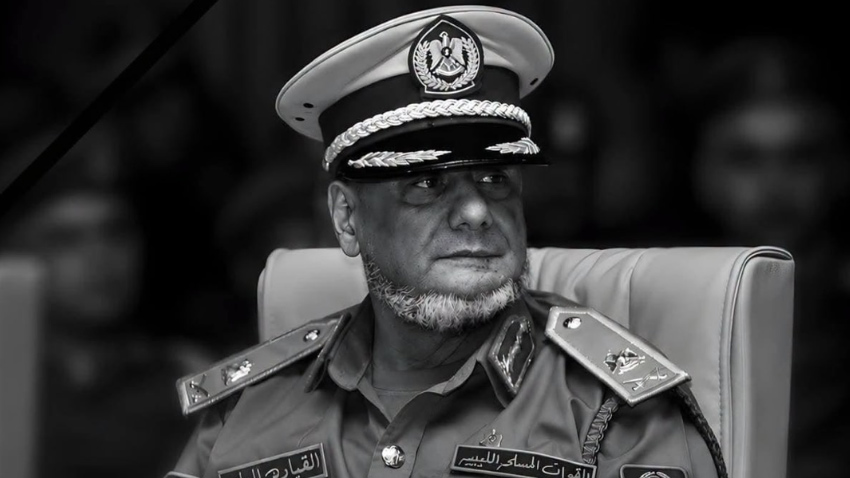
Fawzi Al-Mansouri, head of military intelligence for the eastern Libyan National Army (LNA), was killed when an improvised explosive device (IED) targeted his vehicle in Benghazi. According to news agency reports, the attack took place near his home in the Hawari area of the eastern Libyan city.
Local authorities have not immediately identified those responsible for the bombing. They have also not provided further details about the explosive device used in the attack.
The bomb targets a military official’s vehicle
Al-Mansouri is reportedly targeted while near his home in Hawari. The explosive device targets his vehicle, resulting in his death.
The incident has raised fresh concerns about security in Benghazi, a major city controlled by forces aligned with the eastern authorities. Authorities are expected to investigate the attack and determine who was behind the bombing. No group has immediately claimed responsibility for the attack.
Attack highlights Libya’s security challenges
The killing comes as Libya continues to face political and security challenges despite years of efforts to maintain a ceasefire. A 2020 ceasefire brought an end to major fighting between rival forces, but armed groups and competing political authorities continue to influence different parts of the country.
The latest bombing highlights the continuing risks faced by senior military and security officials. It also raises questions about the security situation in eastern Libya, where the LNA maintains significant military and political influence.
Libya remains divided between rival factions
Libya has remained divided between rival administrations and armed factions since 2014.
The division followed years of political instability after the 2011 uprising that ended the rule of longtime leader Muammar Gaddafi. Since then, competing groups have struggled for political and military control.
The country has also faced repeated efforts to establish a unified government and hold nationwide elections. However, political disagreements and the presence of powerful armed groups have continued to complicate those efforts.
LNA controls large parts of eastern Libya
The Libyan National Army, led by military commander Khalifa Haftar, controls large parts of eastern and southern Libya.
The LNA is aligned with authorities based in Benghazi. Al-Mansouri served as head of military intelligence for the eastern military structure before his death.
Also Read: Colombia’s strongest quake this century kills more than 100
His killing could draw increased attention to security arrangements around senior officials and military facilities in areas under LNA control. Authorities have yet to announce whether additional security measures will be introduced following the attack.
The rival government controls western Libya
Libya’s internationally recognised government is based in the capital, Tripoli. It maintains control over large parts of western Libya and operates separately from the authorities and military forces based in the east.
The division between eastern and western power centres remains one of the country’s biggest political challenges. Although major fighting has largely been avoided since the 2020 ceasefire, sporadic violence and security incidents continue to occur.
Investigation expected after deadly bombing
The circumstances surrounding the bombing remain under investigation. Authorities have not disclosed who may have planned or carried out the attack. They have also not provided information about a possible motive or whether Al-Mansouri had received any threats before the incident.
Further details are expected as investigators examine the scene and gather information about the explosive device. The absence of an immediate claim of responsibility leaves questions about the identity and motives of the attackers.
What the attack means for Libya
The killing of a senior military intelligence official is a significant security incident in a country that remains politically divided.
The attack comes despite the reduction in large-scale fighting since the 2020 ceasefire. It shows that security risks remain a concern, particularly for senior officials and military figures.
The incident could also increase pressure on authorities to strengthen security measures and investigate attacks targeting prominent figures. For now, the focus remains on identifying those responsible and determining the motive behind the bombing.