

Nepal flood death toll crosses 1,000 as rescue efforts continue
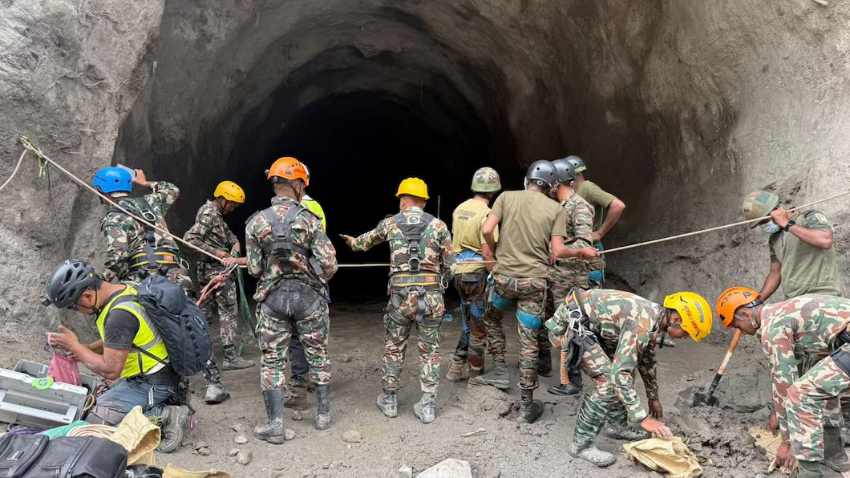
Rescuers reach isolated areas
The disaster followed a glacier collapse in the Himalayas that triggered powerful floods in areas near Nepal’s border with China. Rescue teams are using helicopters, excavators, heavy machinery, and other equipment to reach communities cut off by floodwaters and landslides.
Damaged roads and bridges have made access difficult in several areas, forcing rescuers to rely on air operations and temporary routes. Authorities are giving priority to locations where people are believed to be trapped or missing. The difficult terrain and large amounts of debris are slowing down rescue efforts.
Thousands remain missing
Around 4,000 people are still missing across the affected areas. The missing include hundreds of foreign nationals, with Nepalese authorities reporting around 583 foreign nationals among those unaccounted for in earlier figures.
Families are continuing to wait for information as rescue teams search damaged communities, hydropower facilities and other disaster-hit locations. Authorities have warned that the number of missing people could change as search and verification operations continue.
Workers feared trapped inside tunnels
Hydropower projects have become one of the main focuses of the rescue operation. At least 639 people linked to hydropower facilities have been reported missing, while hundreds of workers are believed to be trapped inside tunnels filled with mud and debris.
Rescue teams are using excavators, drilling equipment and other machinery to clear blocked entrances. The work is particularly difficult because some tunnels are located in remote mountainous areas and have suffered heavy damage.
More than 11,000 people rescued
More than 11,000 people have been rescued since the disaster struck. Nepal’s government says more than 21,000 security personnel are involved in search, rescue, evacuation and relief operations across affected areas.
Helicopters are also being used to reach isolated communities and provide emergency assistance. Rescue workers are continuing to search areas where survivors may still be trapped.
Massive debris slows recovery
The floods have left behind an estimated 2.2 million tonnes of debris, according to a preliminary assessment by the United Nations Development Programme (UNDP). The debris includes mud, rocks and rubble from damaged buildings and infrastructure.
Also Read: Flood warning issued for Saudi Arabia after Taif heavy rainfall
The huge amount of material is making it harder for rescue teams to reach affected locations and is expected to create major challenges during the recovery phase. Officials will also need to clear roads and damaged infrastructure before many isolated communities can fully reconnect with the rest of the country.
Hydropower facilities badly affected
The disaster has also caused major damage to Nepal’s energy infrastructure. According to the UNDP assessment, 11 hydropower stations and one solar plant, with a combined capacity of 431.1 megawatts, have stopped operating.
Several other hydropower projects under construction have also been damaged. The disruption has added another challenge for authorities as they work to restore essential services in affected areas.
Rescue operation faces major challenges
Rescue teams are working under difficult conditions, with unstable ground, damaged roads and blocked tunnels complicating their efforts. Weather conditions and rising water levels have also affected operations at times.
Despite these challenges, authorities continue to send teams into remote areas where people may still need help. International teams and neighbouring countries are also providing specialised assistance and equipment for the rescue operation.
Relief efforts continue
Alongside the search for missing people, authorities are providing emergency assistance to survivors. Thousands of people have been displaced from their homes and need food, clean water, shelter and medical support.
The scale of destruction means relief operations are likely to continue even after the immediate rescue phase ends. Officials are also assessing damage to homes, roads, bridges, power facilities and other infrastructure.


