


US finalises overhaul of visas with fixed rules for students, journalists
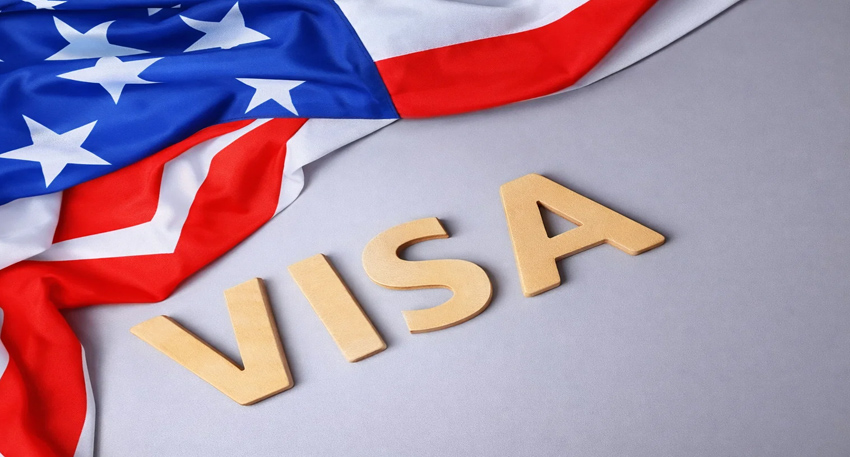
The United States has approved major changes to its visa policy, replacing the long-used “duration of status” system with fixed-term admissions. The new rules will require foreign journalists to undergo regular government reviews if they want to continue working in the country.
The Department of Homeland Security (DHS) announced that the changes are aimed at improving oversight of foreign media representatives. Officials said the new system will help ensure that visa holders continue to meet the conditions of their nonimmigrant status.
Under the new policy, most journalists holding I visas will be allowed to stay in the United States for up to 240 days. Previously, many journalists could remain in the country for the entire length of their assignments, which sometimes lasted several years.
The new rules place a stricter limit on journalists from China. They will generally receive permission to stay for only 90 days before needing further approval.
The regulation will come into force 60 days after being published in the Federal Register. A transition period for the new system is expected to begin in September 2026.
Foreign journalists who want to stay beyond their approved period must apply for an extension. They will also go through additional government checks, including national security reviews.
Most journalists can continue working for up to 240 days while their extension request is being processed. Chinese journalists, however, may continue working for only up to 90 days during that period.
Also read: US visa restrictions may impact Pakistanis travel plans and costs
The new regulation is not limited to journalists alone. It also changes visa rules for international students with F visas and exchange visitors holding J visas by replacing the “duration of status” system with fixed periods of stay.
According to DHS, the new policy will provide “additional protections and oversight” by allowing immigration officials to regularly review whether visa holders are following the terms of their stay. The regulation also updates documentation requirements and clearly defines what qualifies as a foreign media organisation for I visa applications.
The decision has raised concerns among press freedom organisations. Critics believe the new system could increase government influence over foreign journalists by making them seek repeated approval to remain in the country.
The Reporters Committee for Freedom of the Press warned that the policy could affect independent journalism. The group said repeated visa renewals may create pressure on reporters covering sensitive issues.
“Changing the terms of foreign journalists’ visas might appear subtle, but it can have profound implications for press freedom,” said Gabe Rottman, the committee’s vice president of policy. He argued that the government could potentially use visa renewals to influence critical reporting and decide who qualifies as a journalist.
The organisation also recalled that it had opposed a similar proposal when it was first introduced in August 2025. A coalition of 26 media organisations had also urged DHS to withdraw the plan, warning that it could discourage independent journalism.
The final regulation also requires international students and exchange visitors to request extensions if they need to remain in the United States beyond their approved stay. This marks one of the biggest changes to the US nonimmigrant visa system in recent years.
The new visa policy gives US authorities greater control over foreign journalists, students and exchange visitors. Supporters see it as stronger oversight, while critics fear it could make independent reporting and long-term academic stays more difficult.