

Trump sends Saudi nuclear deal to Congress, demands Israel recognition
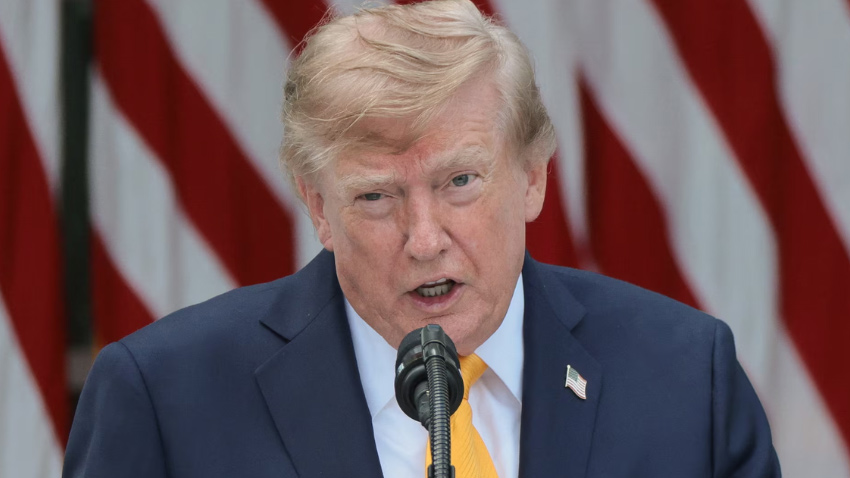
Trump sends Saudi nuclear deal to Congress
US President Donald Trump has sent a proposed civilian nuclear cooperation agreement with Saudi Arabia to Congress for review. According to Reuters, the agreement was reached in July and would allow US companies to export civilian nuclear technology to Saudi Arabia.
The move puts the agreement before Congress while Trump continues to link the nuclear pact to a wider diplomatic goal involving Saudi Arabia and Israel. A US administration official told Reuters that Trump’s position remains unchanged: the agreement will only move forward if Saudi Arabia joins the Abraham Accords.
Trump demands Saudi-Israel normalization
Trump wants Saudi Arabia to establish formal relations with Israel as part of the wider agreement.
The condition connects the civilian nuclear deal with the Abraham Accords, a series of US-brokered agreements under which Israel established or normalized relations with the United Arab Emirates, Bahrain, Morocco and Sudan.
Saudi Arabia, however, has not agreed to recognize Israel under the current terms.
Riyadh has maintained that it wants an irreversible path toward the establishment of a Palestinian state before it recognizes Israel. The position has become more important since the Gaza war began in October 2023.
Saudi nuclear agreement faces key hurdles
The proposed agreement is designed to support civilian nuclear energy cooperation between Washington and Riyadh. The 30-year pact includes plans involving AP1000 nuclear reactors, with a project estimated to be worth tens of billions of dollars.
The project could provide major commercial opportunities for Westinghouse, which is jointly owned by Cameco and Brookfield Asset Management. The agreement is also likely to attract close attention because of concerns over nuclear proliferation and the safeguards attached to Saudi Arabia’s future nuclear programme.
Congress begins review process
The agreement has been sent to congressional leaders and is expected to be referred to relevant committees.
Under the US nuclear cooperation review process, Congress has a 90-session-day period to consider a proposed agreement of this type. If Congress does not object within the required period, the agreement can move forward.
If lawmakers reject it, Trump could veto the decision. Congress would then need a two-thirds majority to override the veto, according to Reuters. The congressional review gives lawmakers an opportunity to examine the agreement and its potential implications.
Concerns over uranium enrichment
The nuclear pact is also facing criticism from some US lawmakers and nuclear nonproliferation experts.
Critics are concerned that the agreement does not completely prevent Saudi Arabia from enriching uranium or reprocessing spent nuclear fuel. Both activities can have civilian uses but can also provide pathways toward producing material that could be used in nuclear weapons.
Also Read: Mark Carney declares Canada 'at war' with US over trade tensions
The United Arab Emirates accepted stronger restrictions in its 2009 civilian nuclear agreement with Washington. These restrictions are often described as the “gold standard” for US nuclear cooperation agreements.
US says agreement includes safeguards
The Trump administration says the proposed deal includes the nonproliferation measures required under US law. The administration’s position is that the agreement can support Saudi Arabia’s civilian nuclear ambitions while maintaining necessary safeguards.
However, critics want stronger guarantees to prevent the development of a nuclear weapons capability. The issue could become an important part of the congressional review as lawmakers examine the terms of the agreement.
Why the Saudi nuclear deal matters
Saudi Arabia has been seeking civilian nuclear cooperation as it looks to expand its energy options and develop its nuclear sector.
For the United States, the agreement could strengthen economic and strategic ties with Riyadh. It could also give American companies access to a major nuclear energy project.
At the same time, linking the deal to recognition of Israel gives the agreement a wider diplomatic dimension. The nuclear pact is therefore not only an energy issue but also part of broader US efforts to reshape relations between Israel and Arab countries.
Saudi position remains important
Saudi Arabia’s position could determine whether Trump’s condition can be met.
Riyadh has repeatedly linked recognition of Israel to progress toward Palestinian statehood. That position has made normalization more difficult despite earlier US efforts to bring Saudi Arabia into the Abraham Accords.
Reuters reported that diplomats had believed Saudi-Israeli normalization was closer in 2023, but the Gaza war changed the political situation. The latest nuclear agreement could therefore become part of a much larger diplomatic negotiation.


