
All you need to know about the NATO Summit 2026
Trump declares Iran ceasefire "Over"
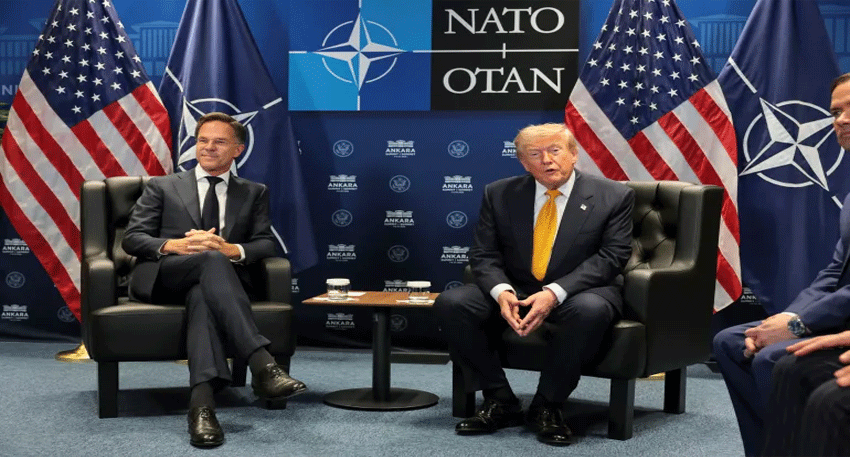
Speaking alongside NATO Secretary-General Mark Rutte, Trump said he no longer considers the tentative ceasefire with Iran to be in effect. "For me, I think it's over," Trump told reporters, adding that continuing to treat it as active was "a waste of time."
Rutte separately defended the latest round of U.S. strikes on Iran, calling the American response necessary after Iran allegedly violated the ceasefire. The remarks came as tensions in the region remained high, with commercial vessels reportedly targeted near the Strait of Hormuz in recent days.
Frustration with NATO allies
Trump arrived in Ankara, airing longstanding grievances about the alliance. In a social media post days before the summit, he complained that the United States spends far more on NATO than any other member without receiving comparable benefits, calling the arrangement "ridiculous."
U.S. Ambassador to NATO Matthew Whitaker said Trump was also disappointed with allies who declined to let American forces use their military bases or airspace during recent operations against Iran. Spain's prime minister, Pedro Sánchez, had separately described the U.S. campaign against Iran as unjustified.
Also Read: Iran warns of devastating response after US strikes
Spain threatened with Tariffs
Trump reserved some of his sharpest criticism for Spain, the only NATO member that has resisted the alliance's new defense-spending target. He called Spain's refusal "terrible" and said it was the only country unwilling to meet the goal, preferring to stay near 2 percent of GDP.
Trump said Washington was negotiating a trade arrangement that would make Spain "pay twice as much," as a consequence, describing the current setup as unfair. Spain has argued it cannot realistically meet the new 5 percent target, which was agreed to by other NATO members at last year's summit in The Hague.
The remarks add to a broader pattern of friction between Trump and NATO over defense spending commitments made in 2025. Some allies, including France, have separately warned against combining defense-spending demands with the threat of a trade war among partners.