

Saudi researchers develop electricity-free cooling system using salt and solar energy
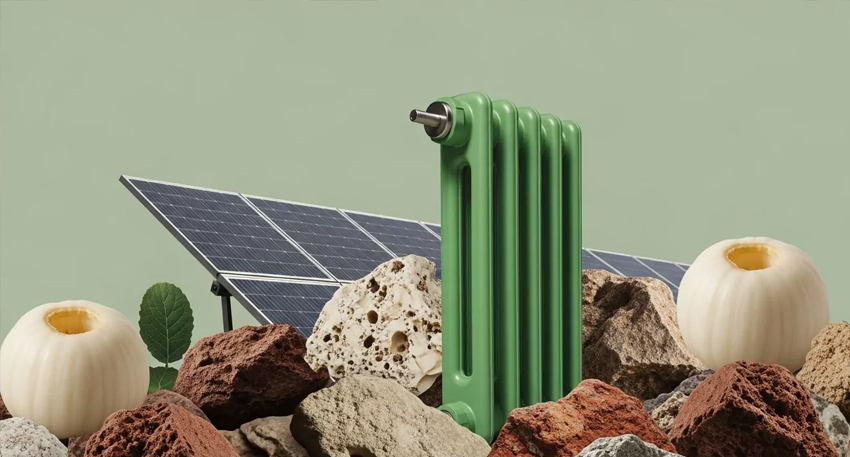
Researchers have developed a novel technology called Nescod (No Electricity and Sustainable Cooling on Demand), which uses a salt-based chemical reaction powered by solar energy instead of conventional electric compressors. The system relies on ammonium nitrate, commonly used in fertilizers, which absorbs heat when dissolved in water, triggering an endothermic reaction that significantly lowers temperatures.
In controlled experiments, the system reduced temperatures from 25°C to 3.6°C within 20 minutes, demonstrating efficiency reportedly four times higher than similar salts such as ammonium chloride. The material is also low-cost, widely available, and easy to store, making it suitable for large-scale deployment.
Unlike traditional cooling systems, Nescod requires no electricity for operation. After use, solar energy is applied to evaporate the water, allowing the salt to recrystallize and be reused in a continuous cycle. The process also enables water recovery through solar distillation, reducing waste and enhancing sustainability.
Also Read: Experts share key tips to beat the heat as temperatures rise
With global cooling demand rising sharply, accounting for about 10% of worldwide electricity consumption, researchers say the innovation could significantly cut energy use and carbon emissions, especially in regions lacking stable power infrastructure. Potential applications include residential cooling, food preservation, and storage of temperature-sensitive goods.
Experts believe the system could become a practical solution for communities facing extreme heat and limited access to electricity, pending further development and large-scale production.