

The Dark Side of AI Girlfriends and Virtual Relationships: Are Digital Companions Replacing Real Love?
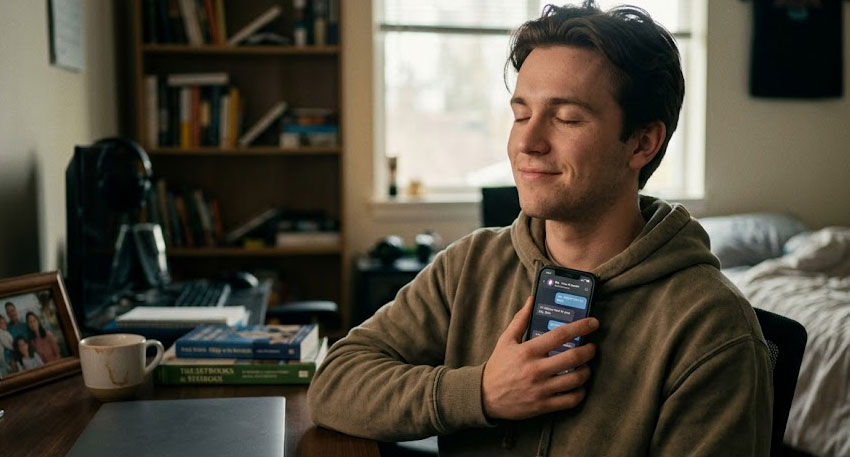
In recent years, artificial intelligence has transformed the way people work, communicate, and even form emotional connections. One of the fastest-growing trends is the rise of AI girlfriends and virtual relationships, with millions of users worldwide engaging with digital companions that can chat, flirt, offer emotional support, and simulate romantic connections.
But behind the convenience and companionship lies a growing concern: Are AI girlfriends changing the way humans experience love and relationships?
What Are AI Girlfriends?
AI girlfriends are advanced chatbots powered by artificial intelligence. Unlike traditional messaging apps, these virtual companions learn from conversations, remember personal details, and adapt their personalities to suit user preferences.
Many users describe their AI companions as supportive, understanding, and always available—qualities that can sometimes feel difficult to find in real-life relationships.
The Appeal of Virtual Relationships
The popularity of AI girlfriends isn’t difficult to understand.
Users can:
* Receive instant emotional support.
* Avoid fear of rejection.
* Customize personality traits.
* Communicate at any time of day.
* Experience companionship without traditional relationship challenges.
For individuals dealing with loneliness, social anxiety, or isolation, AI companionship can seem like an attractive solution.
The Hidden Risks of AI Girlfriends
While virtual relationships may offer comfort, experts have raised concerns about their long-term impact.
1. Emotional Dependency
One of the biggest concerns is emotional dependence. Since AI companions are programmed to be agreeable and attentive, users may become increasingly attached to them.
Over time, some individuals may begin prioritizing virtual interactions over real human connections.
2. Unrealistic Relationship Expectations
Real relationships involve disagreements, compromises, and emotional complexity. AI companions, however, are designed to please users.
This can create unrealistic expectations about how human relationships should function.
3. Increased Social Isolation
Ironically, a technology designed to reduce loneliness may sometimes contribute to it.
If people spend more time interacting with AI companions than with friends, family, or romantic partners, their social skills and real-world relationships may suffer.
4. Privacy Concerns
AI relationship apps often collect large amounts of personal information, including conversations, emotional preferences, and behavioral patterns.
This raises important questions about data privacy and how sensitive information is stored and used.
Can AI Replace Human Relationships?
Most psychologists and relationship experts agree that AI can imitate emotional support but cannot fully replace genuine human connection.
Human relationships involve empathy, shared experiences, physical presence, and mutual growth—qualities that artificial intelligence cannot truly replicate.
However, as AI technology becomes increasingly sophisticated, the distinction between digital companionship and real emotional attachment may continue to blur.
The Future of Love in the Age of Artificial Intelligence
The rise of AI girlfriends marks a significant shift in how people seek companionship. While these technologies may provide comfort and support, they also raise important questions about loneliness, emotional well-being, and the future of human relationships.
As artificial intelligence continues to evolve, society must decide where the line should be drawn between helpful technology and emotional replacement.
One thing is certain: the conversation about AI girlfriends and virtual relationships is only just beginning.