

Tarbela Dam hits maximum level as fresh rains raise flood risk
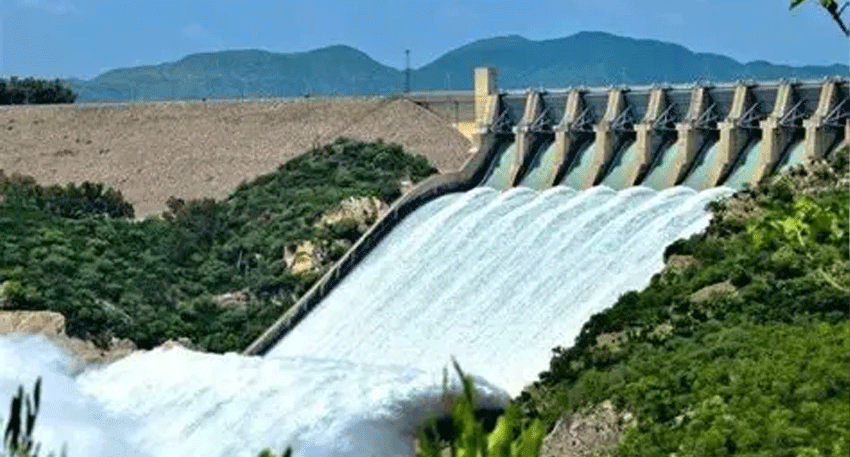
Tarbela Dam, Pakistan’s second-largest reservoir after Mangla Dam, reached its maximum conservation level on Sunday. The development comes during a period of strong water flows caused by monsoon rains and melting snow.
According to the Flood Forecasting Division (FFD) of the Pakistan Meteorological Department, the water level stood at 1,549.48 feet at 6pm. It had been recorded at 1,549 feet at 6am, showing a steady rise during the day.
The dam’s full conservation level is 1,550 feet, while its minimum operating or dead level is 1,402 feet. Its live storage was recorded at 5.523 million-acre feet (MAF).
The latest figures show that Pakistan has been able to store a significant amount of water during the current high-flow season. This water can be important for irrigation, power generation and other needs during periods of lower river flows.
Tarbela storage rises as water flows remain strong
The increase in the Tarbela Dam level has been linked mainly to rains and snowmelt feeding the country’s major rivers. The Indus River system has received strong flows during the current weather pattern.
Wapda’s daily report showed inflows at Tarbela on Sunday at 205,700 cusecs, while outflows stood at 175,900 cusecs. These figures indicate that a large volume of water was entering the reservoir.
The River Kabul at Nowshera recorded inflows and outflows of 4,000 cusecs each. At Mangla, the River Jhelum had inflows of 31,700 cusecs and outflows of 7,000 cusecs.
The River Chenab at Marala Headworks recorded inflows of 65,000 cusecs and outflows of 45,000 cusecs. These flows remain important indicators for monitoring the overall water situation across the country.
Wapda explained that the flows for the Indus at Tarbela, Jinnah and Chashma, along with the Kabul at Nowshera and Jhelum at Mangla, were reported as 24-hour mean flows.
Other river flow figures in the report were measured at 6am. This difference in measurement times is important when comparing daily water levels and inflows.
Mangla and Chashma reservoirs also near full capacity
Tarbela Dam is not the only major reservoir recording high storage levels. Water storage at Mangla Dam is also increasing rapidly as river flows remain strong.
Mangla’s water level reached 1,206.45 feet on Sunday. Its maximum storage capacity is 1,242 feet, meaning the reservoir was around 35.50 feet below its full level.
The minimum operating level at Mangla is 1,050 feet. Its live storage was recorded at 4.621 MAF.
Chashma Lake is also close to reaching its maximum conservation level. Its water level stood at 648.50 feet, just half a foot below its maximum level of 649 feet.
The lake’s minimum operating level is 638.15 feet, while its live storage was reported at 0.285 MAF.
The current situation shows that several major water reservoirs are benefiting from the ongoing monsoon season. Higher storage could provide additional water availability for agriculture and other uses in the coming months.
Water situation remains a concern in several areas
Despite the strong storage position, officials continue to monitor river flows and possible flooding. The FFD said no major increase in inflows was expected at key river gauging stations during the following 24 hours.
However, low-level flood conditions were expected to continue at several barrages along the Indus River. The Kalabagh, Chashma, Taunsa and Guddu barrages were expected to remain at low flood levels.
The forecast also warned of increased flows in hill torrents in northern Balochistan and the Dera Ghazi Khan division. Such flows can quickly become dangerous for communities living near vulnerable waterways.
The weather situation has also raised concerns about urban flooding. The FFD forecast possible urban flooding in Rawalpindi, Gujranwala, Sialkot, Narowal, Faisalabad, Okara and Lahore.
Authorities have therefore been advised to remain alert and closely monitor water levels in vulnerable locations.
Also Read:Pakistan weather update: Rain, thunderstorms forecast in major cities
Fresh rains may increase river and stream flows
The weather department expected another spell of rain from August 10 in Islamabad, Kashmir, Gilgit-Baltistan, Khyber Pakhtunkhwa and upper Punjab.
The new rainfall could increase water flows in streams and nullahs connected to the upper catchment areas of major rivers. It may also affect water levels at important river monitoring stations.
The situation could bring additional water into reservoirs such as Tarbela and Mangla. At the same time, heavy rainfall in urban areas may increase the risk of flash floods and waterlogging.
Officials are watching the weather closely because conditions can change quickly during the monsoon season. Communities in flood-prone areas have also been advised to stay prepared.
What the latest storage level means for Pakistan
The full storage level at Tarbela Dam is significant because the reservoir plays an important role in Pakistan’s water and energy systems. Strong storage provides a larger reserve for periods when river flows decline.
The current level also highlights the importance of managing the country’s water resources carefully. While higher storage can support agriculture and electricity generation, excessive river flows can create flood risks downstream.
Last year, Tarbela reached its maximum storage level on August 21. The latest achievement came earlier, reflecting the stronger water availability during the current season.