

Punjab, FAO launch ACWA portal to track water and crops
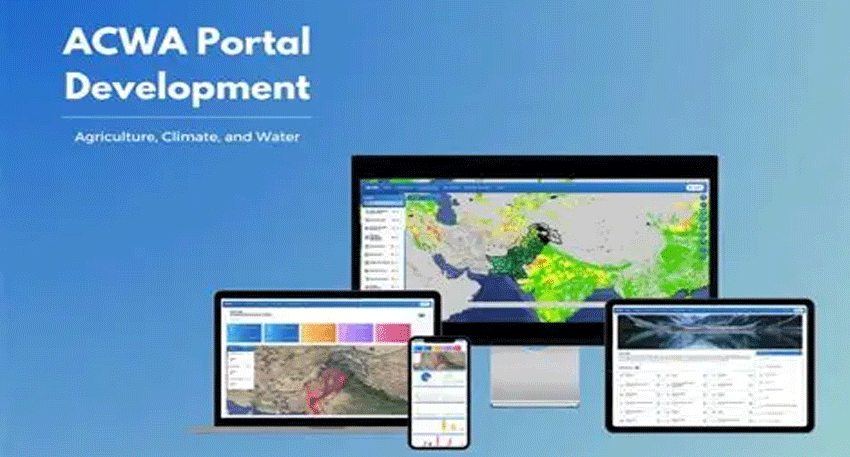
The Punjab government and the United Nations Food and Agriculture Organisation (FAO) have formally launched the Agriculture, Climate and Water (ACWA) Punjab Consortium.
The initiative is designed to bring important information about climate, water and agriculture onto one platform. Officials say this could improve planning and help Punjab respond to growing climate and water challenges.
The consortium was launched during its first meeting under a Green Climate Fund-supported project called “Transforming the Indus Basin with Climate Resilient Agriculture and Water Management”.
Punjab and Sindh are jointly supporting the wider project, which aims to strengthen agricultural systems and water management across the Indus Basin.
One platform for climate and farming data
The new ACWA portal will connect information collected from different climate, agricultural and water monitoring systems.
The platform will involve the Punjab Planning and Development Board, Punjab Information Technology Board, Agriculture Department, Irrigation Department and Environment Department. FAO will provide technical assistance.
The agreement creates a permanent institutional system for sharing and managing data between these departments. Officials believe this will reduce the problems caused by scattered information and improve coordination.
The partnership between FAO and Punjab has been developing for several years. A Letter of Intent was signed between FAO and the Punjab Planning and Development Board in May 2024.
The Memorandum of Understanding later received approval from the 36th Standing Committee of the Cabinet on Legislative Business and Privatisation on June 9 this year.
Monitoring climate and water changes
The project has already installed several monitoring systems across parts of the Indus Basin.
These include 24 Automatic Weather Stations, with 15 located in Punjab and nine in Sindh. The project has also installed Eddy Covariance towers, canal flow sensors and groundwater monitoring equipment.
The information collected through these systems will be transferred to the ACWA portal.
In Punjab, the project covers five districts in the south: Multan, Khanewal, Lodhran, Muzaffargarh and Dera Ghazi Khan. Three districts in Sindh are also included.
The data is expected to provide officials with a clearer picture of changing weather conditions, water availability and agricultural trends.
This information can support planning, policy decisions, agricultural advice and better management of natural resources.
Focus on farmers and food security
Officials said the portal could help address an important challenge facing Pakistan’s food security.
Agriculture is increasingly affected by unpredictable weather, rising climate risks and limited water resources. Having reliable information in one place could help authorities make better decisions before these problems become more serious.
The system is also expected to support farmers and agricultural communities as they adapt to changing conditions.
P&D Board Secretary Rafaqat Ali said development planning now increasingly depends on accurate and timely information about climate, agriculture and water resources.
He said bringing this information together through a single portal would improve coordination between government departments and support better decision-making.
The initiative could also help authorities decide where investment is most needed and how available water and other natural resources should be managed.
Also Read:Rain forecast brings relief and risk across Pakistan
Data security and long-term plans
During the first consortium meeting, officials also discussed how the ACWA system would operate after the project is completed.
The discussions covered departmental responsibilities for providing information, regular meetings, data backup and secure storage.
Officials also considered data licensing, confidentiality and future arrangements for hosting and maintaining the portal.
The consortium will provide an institutional structure for data governance, coordination and operational oversight. It is also intended to ensure that the portal remains useful over the long term.
FAO Pakistan representative James Okoth said the organisation would continue supporting Punjab in developing stronger and more sustainable agricultural systems.
He said the consortium showed the importance of government ownership, cooperation between institutions and decisions based on reliable evidence.
“The FAO will continue to provide technical support and facilitate knowledge and innovation in line with Pakistan’s development priorities,” he assured.