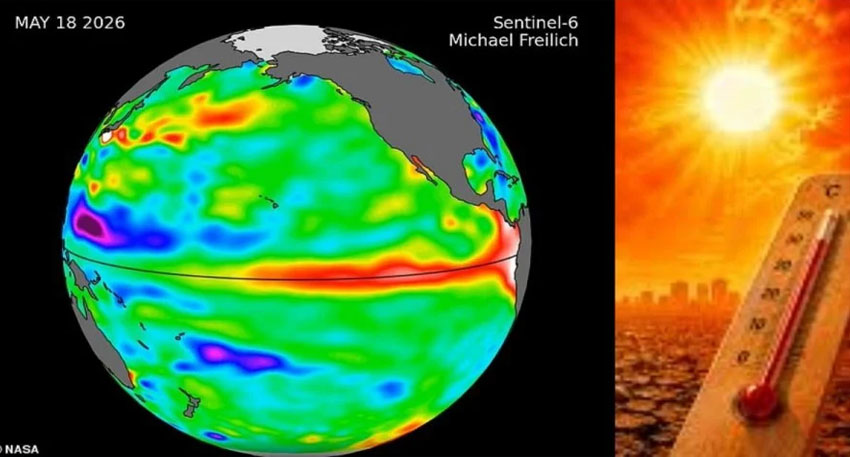
PMD forecasts rain, thunderstorms in northern areas as heat persists elsewhere
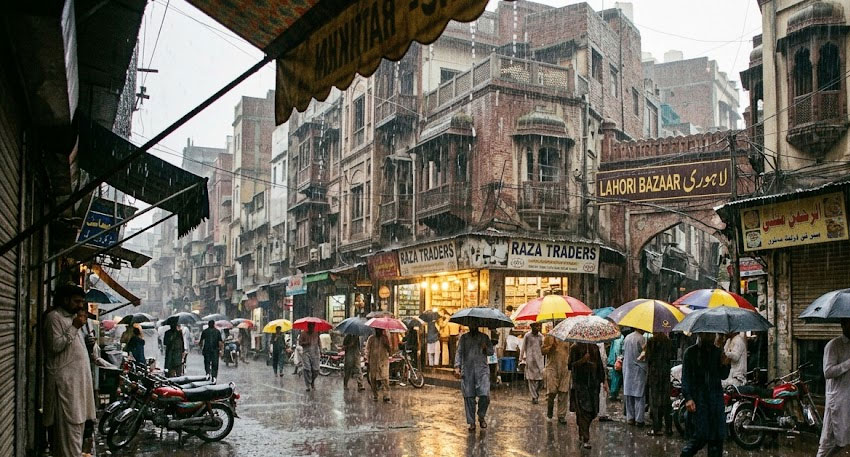
The Pakistan Meteorological Department (PMD) has forecast rain and thunderstorms in several northern regions of the country, while most plain areas are expected to continue experiencing hot and dry weather conditions.
According to the latest weather advisory, temperatures are likely to remain high across much of Pakistan. However, residents of upper Khyber Pakhtunkhwa, Kashmir, and Gilgit-Baltistan may receive relief from the heat as rain-bearing weather systems move into these areas.
Rain expected in northern districts
The PMD said thunderstorms accompanied by rainfall are likely in several districts of Khyber Pakhtunkhwa, including Dir, Chitral, Swat, Kohistan, Malakand, Bajaur, Shangla, Battagram, Buner, Mansehra, and Abbottabad.
Weather experts noted that some areas of Swat, Chitral, and Dir could receive moderate rainfall associated with thunderstorm activity. Rain coupled with gusty winds is also expected in Charsadda, Mardan, and nearby districts.
More areas likely to receive showers
The department further predicted scattered rain and thunderstorms in Haripur, North and South Waziristan, and Kurram districts. The expected rainfall may bring temporary relief from the prevailing heat and improve weather conditions in affected areas.
Heat to continue in plains
Despite the forecast for northern regions, Islamabad and most plain areas of the country are expected to remain hot and dry. Authorities have advised citizens to take precautionary measures, stay hydrated, and avoid unnecessary exposure to direct sunlight during peak daytime hours.
The latest forecast comes as several parts of Pakistan continue to experience above-normal temperatures, increasing the demand for weather-related relief in heat-affected regions.