

PMD forecasts more rain for Rawalpindi, Islamabad as flood risk rises
According to the latest weather advisory, monsoon waves are continuing to enter the upper parts of the country, while a westerly wave is also affecting the region.
The westerly system is expected on September 4 and 5, increasing the possibility of rain, thunderstorms and heavy rainfall in several areas.

Rain forecast for Islamabad and Rawalpindi
PMD has forecast rain, wind and thunderstorms in Islamabad, Rawalpindi, Murree, Galliyat, Jhelum, Chakwal, Talagang and Attock from September 3 to 5.
Lahore, Sialkot, Sheikhupura, Narowal, Mandi Bahauddin, Gujrat, Gujranwala, Wazirabad, Hafizabad and Kasur are also expected to receive downpours during the same period.
The department warned that some areas could experience isolated heavy to very heavy rainfall, with occasional breaks between showers.
Other parts of Punjab, including Okara, Nankana Sahib, Sargodha, Khushab, Mianwali, Noorpur Thal, Faisalabad, Jhang, Toba Tek Singh, Layyah, Bhakkar, Sahiwal and Dera Ghazi Khan, are expected to receive rain on September 4 and 5.
Heavy rain raises urban flooding concerns
The fresh forecast comes as Rawalpindi and Islamabad have already experienced significant problems following heavy rainfall.
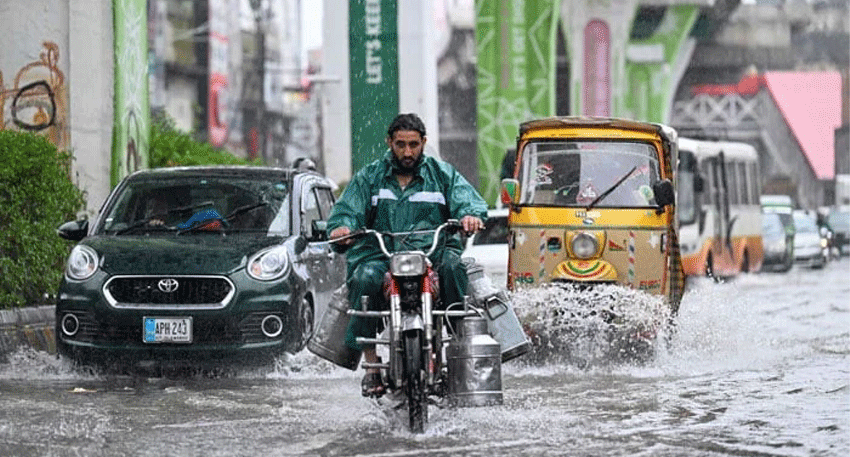
Several parts of Rawalpindi have faced waterlogging and flooding, with roads, streets, shops and some residential areas affected by accumulated rainwater.
Low-lying areas of Rawalpindi have been among the worst affected, while major roads have also experienced water accumulation, disrupting traffic and daily movement.
The heavy rainfall has placed additional pressure on the drainage system, raising concerns that further downpours could worsen flooding in vulnerable parts of the twin cities.
Islamabad has also reported waterlogging on several roads following heavy rainfall, creating difficulties for motorists and commuters.
Heavy rainfall expected in other regions
The weather system is not limited to the twin cities. PMD has also forecast rain and thunderstorms in several parts of Khyber Pakhtunkhwa from the evening or night of September 3 until September 5.
The affected areas include Peshawar, Dir, Chitral, Swat, Kohistan, Malakand, Mardan, Nowshera, Charsadda, Swabi, Shangla, Battagram, Buner, Kohat, Hangu, Kurram, Bajaur, Mohmand, Khyber, Orakzai, Mansehra, Abbottabad, Haripur, Karak, Tank, Lakki Marwat, Dera Ismail Khan, Bannu and Waziristan.
Gilgit-Baltistan is also expected to receive rain and thunderstorms from September 3 to 6, with Diamir, Astore, Ghizer, Skardu, Hunza, Gilgit, Ghanche and Shigar among the areas mentioned in the forecast.
In Kashmir, rain and thunderstorms with isolated heavy falls are expected from September 3 to 6, particularly in Neelum Valley, Muzaffarabad, Rawalakot, Poonch, Hattian, Bagh, Haveli, Sudhanoti, Kotli, Bhimber and Mirpur.

Also Read:Govt rejects 35-year CSS age limit and five-attempt proposal
PMD warns of floods and landslides
The weather department has warned that heavy to very heavy rainfall could trigger urban flooding in low-lying areas of Islamabad and Rawalpindi, as well as parts of Peshawar, Mardan, Swabi, Gujranwala, Gujrat, Sialkot, Faisalabad and Lahore.
Flash flooding is also possible in local streams and nullahs in parts of Khyber Pakhtunkhwa, Gilgit-Baltistan, Kashmir, Murree, Galliyat, Islamabad and Rawalpindi.
PMD has also warned about possible landslides in hilly areas of Khyber Pakhtunkhwa, Gilgit-Baltistan, Murree, Galliyat and Kashmir.
The department has advised tourists and travellers to remain cautious during the forecast period, particularly while travelling through mountainous areas.
Farmers have also been advised to plan crop-related activities according to the expected weather conditions.
What the forecast means for residents
The latest advisory suggests that residents of Rawalpindi and Islamabad should remain prepared for another spell of rain after the cities have already experienced waterlogging.
The risk may be higher in low-lying areas where drainage systems can struggle to handle large volumes of rainwater within a short period.
People travelling during heavy rain should remain cautious, avoid unnecessary movement through flooded roads and follow updates from the relevant authorities.
The situation can change quickly during monsoon weather, so citizens should continue checking official weather updates, during periods of heavy rainfall.


