

2026 may become second-hottest year on record as global warming intensifies
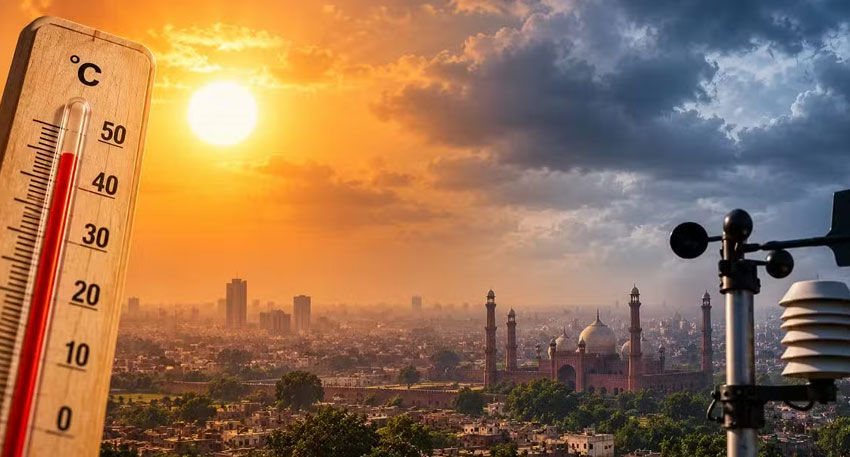
The European Union’s Copernicus Climate Change Service said global temperatures could still match or exceed the record set in 2024. It warned that the world is experiencing unusually high temperatures due to climate change and a strong El Nino weather pattern.
Global temperatures continue to break records
According to Copernicus, there is a “20 per cent chance of tying or exceeding” 2024 as the hottest year ever recorded. The climate monitoring agency also said global temperatures are “virtually certain” to remain above 1.5 degrees Celsius compared with pre-industrial levels in 2026.
The average temperature for the four-year period from 2023 to 2026 is also expected to cross the 1.5C level. This is an important limit under the Paris Agreement, which aims to prevent the worst effects of climate change.
October was the hottest October ever recorded, with average global surface temperatures reaching 1.75C above pre-industrial levels. It was also the third consecutive month in which global temperatures remained above the 1.5C mark.
“October has continued the pattern of remarkable global warmth, with record global and surface ocean temperatures,” said Samantha Burgess, strategic lead for climate at the European Centre for Medium-Range Weather Forecasts (ECMWF). She added that unusually strong El Nino conditions were increasing temperatures in an already warming climate.
“An exceptionally strong El Nino is adding further heat to a climate already warmed by human activities,” she said. Human activities, particularly the burning of fossil fuels, continue to increase greenhouse gas emissions and contribute to global warming.
Strong El Nino adds further heat
Climate experts have been warning that the current El Nino could become one of the strongest ever recorded. The weather pattern is expected to reach its peak later this year, adding further pressure to global temperatures.
Copernicus reported that the warming phenomenon reached a record temperature in an important part of the Pacific Ocean last month. This has raised concerns about its possible effects on weather conditions around the world.
El Nino is a natural climate pattern that temporarily increases temperatures in the tropical Pacific Ocean. It can change weather conditions in different regions and increase the risk of droughts, floods and extreme heat.
Scientists warn that the strong El Nino could make 2027 even hotter. Some climate forecasts suggest that next year could become the hottest year ever recorded.
Climate change concerns grow ahead of COP31
The latest climate report comes as countries prepare for the United Nations COP31 climate summit in Turkiye. The two-week meeting is expected to focus on international efforts to control global warming and reduce greenhouse gas emissions.
The warning follows a year of extreme weather events in different parts of the world. These include deadly floods in Nepal, severe heatwaves across Europe and major wildfires in Indonesia.
The Paris Agreement, adopted in 2015, calls on countries to keep global warming “well below” 2C above pre-industrial levels. It also aims to limit the temperature increase to 1.5C.
However, the United Nations warned in September that the long-term 1.5C target would be crossed within the coming years. This has increased pressure on governments to take stronger action against climate change.
Scientists call for urgent cuts in emissions
Scientists say reducing greenhouse gas emissions is necessary to control the rise in global temperatures. They have particularly called for lower emissions from coal, oil and natural gas.
Experts believe that limiting the period during which temperatures remain above 1.5C is important for reducing long-term climate damage. They say emissions must fall quickly if the world wants to bring temperatures down again.
The latest report shows that global warming is becoming a more serious challenge. Strong El Nino conditions are adding to the heat already caused by human activities.
The 1.5C limit is an important warning point for the world. Governments need to reduce fossil fuel emissions and take practical steps to protect people from extreme heat, floods and droughts.
Also read: Pakistan’s short-term inflation jumps to 12.31pc as LPG and food prices surge


