

Pakistan’s short-term inflation jumps to 12.31pc as LPG and food prices surge
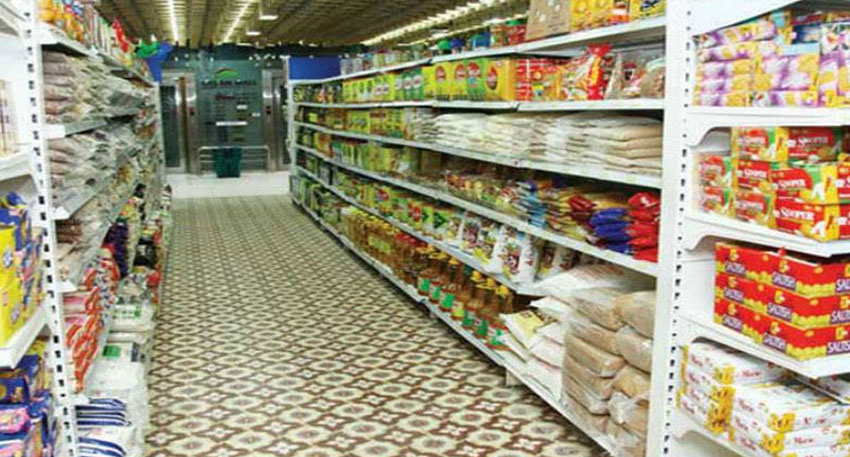
The latest figures released by the Pakistan Bureau of Statistics (PBS) on Friday showed that inflation increased sharply in the week ending November 5. The rising prices of liquefied petroleum gas (LPG), tomatoes and other essential food items were the main reasons behind this increase.
Weekly inflation remains under pressure
The Sensitive Price Index (SPI), which measures short-term inflation, recorded a 0.29pc increase compared with the previous week. It monitors the prices of 51 essential items collected from 50 markets across 17 cities in Pakistan.
The latest figures showed that prices of 21 items increased during the week, while 10 became cheaper. Prices of the remaining 20 items remained unchanged.
Short-term inflation has stayed in double digits for several consecutive weeks. Higher petrol and diesel prices have contributed to this trend, although petroleum prices have started declining over the past three days.
The impact of lower petroleum prices is expected to become clearer in the next price review. However, a sharp increase in LPG prices has added further pressure on household budgets.
Tomatoes and LPG become more expensive
Tomatoes recorded the highest weekly price increase, rising by 54.18pc. LPG prices increased by 3.72pc, followed by potatoes at 2.07pc and eggs at 1.17pc.
Other items that became more expensive included garlic, firewood, salt powder, plain bread, fresh milk and curd. Their prices increased by 1.06pc, 1.01pc, 0.91pc, 0.64pc, 0.49pc and 0.41pc, respectively.
Matchboxes and shirting also recorded smaller increases of 0.16pc and 0.15pc. These increases show that rising prices are affecting both food and non-food products.
On the other hand, petrol prices declined by 4.20pc during the week, while diesel became cheaper by 2.97pc. Gram pulse prices fell by 1.08pc, followed by bananas at 0.85pc and onions at 0.82pc.
Powdered milk, chicken, sugar, wheat flour and moong pulse also recorded price declines. Their prices dropped by 0.73pc, 0.61pc, 0.40pc, 0.34pc and 0.27pc, respectively.
LPG records the highest annual price increase
A comparison with the same period last year shows that LPG prices increased by 114.88pc. Tomatoes recorded the second-highest increase at 78.89pc, followed by electricity charges for the first quarter at 52.38pc.
Diesel prices increased by 39.27pc, while petrol became 36.34pc more expensive. Wheat flour and chicken prices also recorded significant annual increases of 33.95pc and 31.81pc.
Other products that became more expensive included powdered chillies, mutton, onions, plain bread and beef. Their prices increased by 15.55pc, 14.54pc, 13.64pc, 12.35pc and 11.06pc, respectively.
However, some essential items became cheaper compared with last year. Potato prices declined by 37.24pc, followed by eggs at 27.59pc and sugar at 25.03pc.
Salt powder, gur, masoor pulse, moong pulse and IRRI-6/9 rice also recorded annual price declines. Their prices fell by 14.09pc, 7.75pc, 7.49pc, 6.79pc and 1.79pc, respectively.
Higher energy costs add to inflation pressure
The government has continued increasing petrol and diesel prices without reducing the petroleum levy. Higher energy costs are adding to inflation and also increasing sales tax collections as the prices of goods and services rise.
This situation is an example of cost-push inflation. It happens when higher production and transportation costs force businesses to increase the prices of their products.
For example, expensive fuel can increase the cost of transporting vegetables and other food items to markets. As a result, consumers have to pay more even for basic household necessities.
Last week, short-term inflation stood at 11.32pc on a year-on-year basis. Higher LPG, wheat flour and perishable food prices were the main reasons behind that increase.
The latest figures show that falling petrol and diesel prices have not yet provided enough relief to consumers. The sharp increase in LPG and food prices continues to put pressure on household budgets.
Although some products have become cheaper, the overall cost of essential items remains high. Unless energy and food prices become stable, ordinary families may continue facing difficulties in managing their monthly expenses.
Also read: Pakistan and Russia partner to boost investment and economic growth


