Why petrol price cut but public gets no benefit - shocking reason revealed
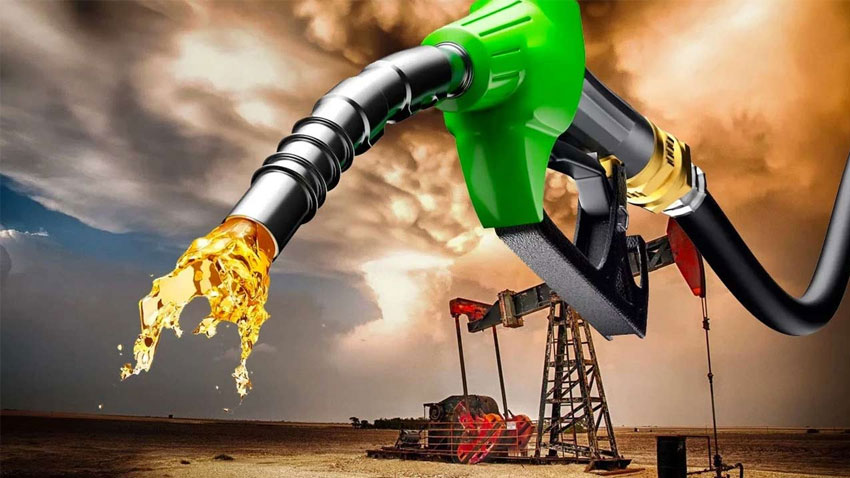
Despite government announcements of reducing petroleum product prices, citizens are not getting the full benefit of the relief. The main reason behind this situation has now come to light.
According to official documents, a total of Rs142.41 per litre is being collected in taxes, levies and margins on petrol. Because of these extra charges, consumers are still forced to buy petrol at high prices.
The documents show that the ex-refinery price of petrol is Rs235.37 per litre. However, after adding taxes and other government charges, the final price for consumers reaches Rs377.78 per litre.
Data further reveals that the largest burden comes from the petroleum levy. This levy alone is Rs116.08 per litre, making it the biggest component of the final fuel price.
In addition to this, a climate support levy of Rs2.50 per litre is also applied. Other margins and charges further increase the overall cost for consumers.
Economic experts say that global oil price reductions are not fully benefiting the public due to these heavy taxes. They add that the government relies heavily on petroleum products for revenue, which directly impacts ordinary citizens.
Also read: Big hike in solar panel prices shocks consumers ahead of Budget 2026-27
On the other hand, public voices are demanding a reduction in petroleum levies. They believe that cutting these charges could provide real relief during ongoing inflation.
Experts also suggest that if levies and additional charges are reduced, petrol prices could drop significantly. This would not only help consumers but also positively affect the overall economy and prices of daily essentials.
The main issue is not just global oil prices but heavy taxation on fuel. Even when prices fall internationally, local consumers do not feel the difference.
If the government reduces levies, people may finally see real relief in fuel costs. This could also help control inflation in other sectors linked to transport and energy.