

Unannounced loadshedding hits Lahore, other parts of Punjab
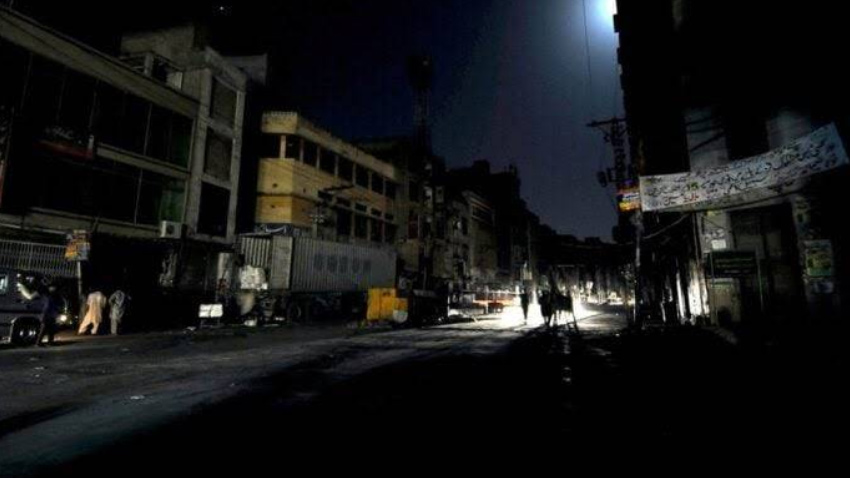
Residents in Lahore and several other parts of Punjab continue to face unannounced power outages, with repeated interruptions reported in different areas. The outages have become more noticeable during nighttime hours, when electricity demand rises sharply across the Lahore Electric Supply Company (LESCO) service area.
Consumers in several localities have complained about repeated power cuts, making it difficult for households to manage their daily activities. The situation has also been worsened by technical problems in the electricity distribution network.
Nighttime power demand puts pressure on supply
Electricity demand in the LESCO region changes significantly between day and night. During the daytime, demand is estimated at around 3,500 to 3,700 megawatts, with solar power helping meet part of the requirement.
However, demand increases to around 5,200 megawatts at night. Solar systems stop generating electricity after sunset, leaving the power system to meet a much larger share of demand through conventional sources.
This creates a wider gap between electricity demand and available supply. The shortage becomes more noticeable in areas where the distribution network is already under pressure.
Lahore neighbourhoods face repeated outages
Some Lahore neighbourhoods have reportedly experienced power cuts lasting between 30 minutes and one hour at a time.
Residents say electricity is sometimes restored only to be interrupted again after a short period. The repeated outages are creating difficulties for families, businesses and other electricity consumers.
The situation can become particularly uncomfortable during hot weather, when households rely heavily on fans, air conditioners and other cooling appliances. Nighttime outages can also affect sleep and make it harder for people to carry out routine household activities.
Rural and border areas face longer cuts
The power situation is reportedly more difficult in some rural and border areas of Punjab.
Reports indicate that some areas are experiencing approximately one hour of electricity supply followed by around one hour without power. This pattern has added to concerns among consumers who already face limited and unreliable electricity supply.
For communities in remote areas, restoring electricity can also take longer when technical faults occur. The uneven supply has increased pressure on distribution companies to improve network reliability and reduce interruptions.
High-loss feeders see extended loadshedding
Consumers connected to high-loss feeders are reportedly facing even longer power cuts.
In some areas, loadshedding has lasted between two and six hours. High-loss feeders are generally associated with greater electricity losses, including technical losses and electricity theft.
Such areas can face stricter load management when available electricity is insufficient to meet overall demand. The prolonged outages have added to frustration among consumers who want a more reliable electricity supply.
Technical faults cause further interruptions
Power cuts are not only linked to the gap between electricity generation and demand. Technical problems in the distribution system are also causing interruptions in several areas.
Transformer faults, jumper failures and other network problems have reportedly disrupted electricity supply even after loadshedding ends.
Also Read: Razia Noreen wins praise after risking life to save newborn
As a result, consumers may continue facing outages despite the restoration of power. These technical issues can make the situation more difficult because repairs may be required before electricity can be fully restored.
Limited LNG affects electricity generation
Another factor putting pressure on electricity supply is the limited availability of liquefied natural gas (LNG). Several power plants rely on gas and other fuels for electricity generation. When fuel availability is reduced, electricity generation can also come under pressure.
The combination of limited generation, higher nighttime demand and weaknesses in the distribution network has contributed to the continuing outages. The situation shows how fuel supplies and electricity demand can directly affect power availability for consumers.
Why the situation worsens after sunset
The difference between daytime and nighttime electricity demand is an important factor behind the current situation.
During daylight hours, solar generation helps reduce pressure on the main electricity system. After sunset, solar generation falls to zero, while households and businesses continue using electricity.
This causes demand to rise at a time when the system must rely more heavily on other generation sources. If available generation cannot meet increased demand, authorities may need to manage electricity supply through load management.
Consumers face growing difficulties
Frequent electricity interruptions are creating problems for both households and businesses. Small businesses can face disruptions when equipment stops working or operations are interrupted. Offices, shops, and industrial units may also experience difficulties if power cuts continue for long periods.
For households, repeated outages can affect lighting, cooling, internet connectivity, and other essential activities. The impact becomes greater when outages occur without prior notice, as consumers have less opportunity to prepare for them.


