

Sindh opens 283rd Shah Abdul Latif Bhittai Urs in Bhit Shah
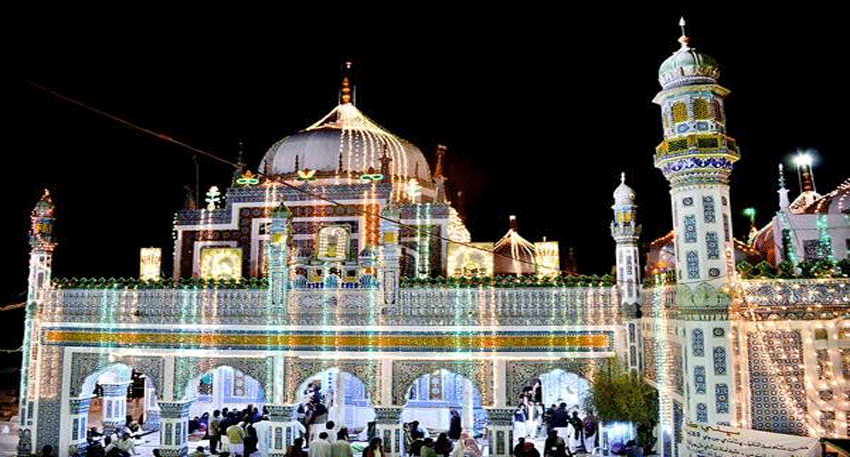
Governor Sindh Nehal Hashmi inaugurated the 283rd annual Urs ceremony on Wednesday. Thousands of devotees are expected to visit Bhit Shah during the celebrations.
Speaking at the shrine, Hashmi highlighted Bhittai’s message of love, tolerance and humanity.
He said following the poet’s teachings could help build a peaceful, united and developed Pakistan.
The Sindh government has also declared Wednesday, July 29, a public holiday across the province because of the annual Urs.
Public holiday announced across Sindh
According to the government notification, the holiday applies to government offices and various public institutions operating under provincial control.
These include autonomous and semi-autonomous bodies, corporations and local councils.
Essential services will continue operating during the holiday.
The three-day Urs is held every year at Bhittai’s final resting place in Bhit Shah. The event begins on Safar 14 according to the Islamic calendar.
The celebrations attract devotees from different parts of Sindh and other areas of Pakistan.
Visitors come to pay tribute to the poet and remember his spiritual teachings, poetry and lasting contribution to Sindh’s cultural identity.
Also Read: Independence Day holidays give Pakistanis long weekend in August
Poetry, Sufi music and cultural activities
The annual celebrations include several cultural and literary activities.
Sufi music performances and poetry recitals are among the main attractions for visitors.
Literary gatherings are also arranged to discuss Bhittai’s poetry and ideas. An exhibition of traditional handicrafts is another feature of the celebrations.
The events highlight Bhittai’s message of peace, love and tolerance while promoting Sindh’s rich cultural heritage.
Shah Abdul Latif Bhittai, who lived from 1689 to 1752, is widely regarded as one of the greatest poets of the Sindhi language.
His famous collection of poetry, “Shah Jo Risalo”, has survived in many versions.
The work has also been translated into English, Urdu and several other languages, helping introduce Bhittai’s ideas to readers beyond Sindh.


