

Rare 45-foot sperm whale spotted off Sindh coast for first time
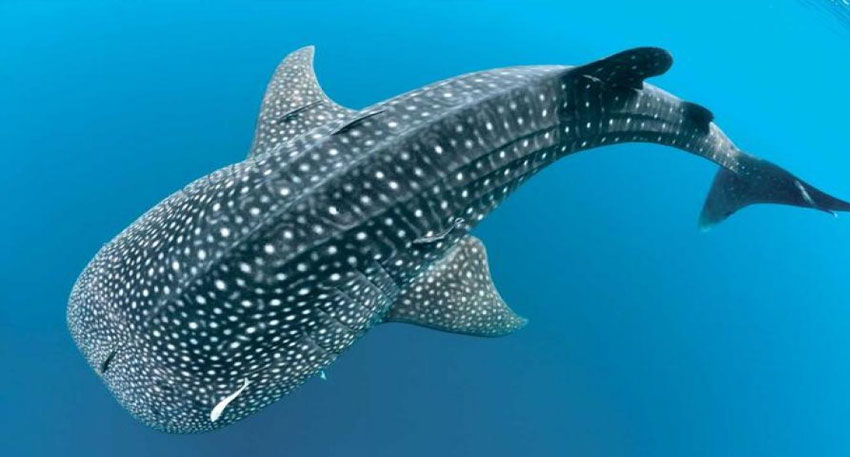
The rare sighting was reported by the World Wide Fund for Nature-Pakistan (WWF-Pakistan) on Friday. The whale was seen during a sea expedition led by WWF-Pakistan board member Zahid Maker.
Rare sperm whale sighting near Karachi
According to WWF-Pakistan, the whale was estimated to be around 45 feet long. Its appearance was recorded in video footage showing its special blowhole, unique skin markings and a large hump.
The organisation said this was the first recorded sighting of a sperm whale off the Sindh coast. However, similar sightings had previously been reported off the Balochistan coast in 2017.
The discovery has attracted attention because sperm whales are large marine mammals that usually live in deep ocean waters. Their presence also highlights the importance of Pakistan’s offshore marine environment.
Pakistan’s marine waters support rich wildlife
WWF-Pakistan Senior Director Rab Nawaz said the sighting showed the ecological importance of Pakistan’s offshore waters. He stressed that marine habitats and food chains must be protected to support large sea animals.
“Pakistan’s waters support an extraordinary diversity of marine life, much of which remains poorly understood and documented,” he said. He also called for stronger conservation measures, responsible fishing and joint efforts to reduce pressure on marine ecosystems.
Sperm whales mainly eat deep-sea animals called cephalopods, which include squid and octopuses. Their food in Pakistani coastal and offshore waters includes purpleback flying squid and diamondback squid.
Deep-diving whales and marine species
Sperm whales are known for diving deep into the ocean to find food. They usually dive between 300 and 800 metres but can reach depths of up to two kilometres.
According to WWF-Pakistan, researchers have recorded 26 species of cetaceans in Pakistan’s waters. This group includes different types of whales and dolphins.
The recorded species include blue whales, Bryde’s whales and Arabian Sea humpback whales. Several types of toothed whales and dolphins have also been documented in the region.
WWF-Pakistan said its research and monitoring work had helped identify several toothed whale species in Pakistani waters for the first time. These findings show that more marine species may still be present in the country's waters but remain undocumented.
WWF calls for stronger marine conservation
The organisation said regular research and monitoring were necessary to understand and protect marine life. It also stressed the importance of sustainable fishing and stronger measures to protect biodiversity in the Arabian Sea.
WWF-Pakistan was established in 1970 to address environmental and wildlife conservation challenges in the country. It works to protect animals, preserve natural resources and safeguard the environment.
The sperm whale sighting is an important discovery for Pakistan’s marine research. It shows that the country's offshore waters may support more wildlife than scientists have previously recorded.
However, protecting these animals requires long-term efforts. Better research, responsible fishing and protection of marine habitats can help preserve this natural wealth for future generations.
Also read: Third wave of bomb threats again disrupt flights across major airports


