

Third wave of bomb threats again disrupt flights across major airports
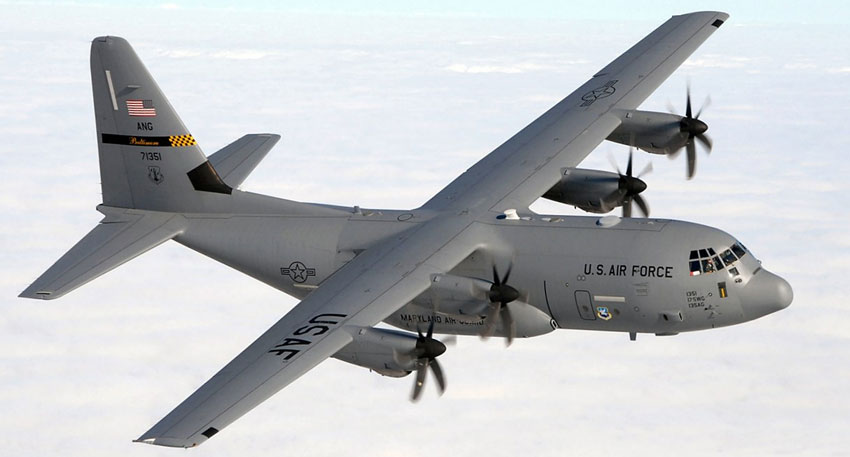
Several countries reported new threats on Friday, forcing security checks and diverting some aircraft. No explosives have been found, and all affected planes have landed safely.
Fresh bomb threats reported across European airports
Danish police said they were investigating threats targeting air traffic at Copenhagen Airport. However, their initial assessment found no immediate danger to passengers, and the airport said it was “operating normally”.
Czech police also received bomb threats involving flights arriving at and departing from Prague. An airport spokesperson said the threats involved four incoming and five outgoing flights, but no explosives were found and no flights were cancelled or diverted because of the alerts.
However, an Italian airport authority source later confirmed that a Wizz Air flight travelling from Prague to Rome was diverted to Venice. The aircraft landed safely, and the reason for the diversion was linked to the security situation.
France also reported four new bomb threats involving aircraft flying over its territory. The French prime minister’s office confirmed that all affected planes landed safely.
Meanwhile, a bomb alert involving a Ryanair flight from Rome to Lisbon led to a security operation after the aircraft landed. The incident was reported by CNN Portugal.
Repeated incidents raise fears of coordinated attacks
The latest threats came after dozens of passenger flights across Europe faced similar disruptions on Thursday. Some aircraft were forced to make unplanned landings, while fighter jets were sent to escort or intercept other planes.
The first wave of threats was reported on Tuesday, followed by further incidents on Thursday and Friday. Although no explosives have been discovered, the repeated alerts have created serious concerns for airlines, airports and passengers.
Security experts said the incidents showed signs of a coordinated “hybrid attack”. However, they also warned that some threats could have come from individuals copying earlier incidents or acting because of personal complaints.
Spain warns of possible psychological warfare
Spain’s Foreign Minister José Manuel Albares said the repeated incidents across Europe could be part of a wider campaign to create fear and confusion. Speaking to national broadcaster TVE, he said the similar methods used in the incidents raised serious questions.
“The most reasonable assumption is that we are facing an attempt at hybrid aggression and a form of psychological warfare,” he said. He also warned that European countries should prepare for more such challenges.
Albares added that it would take time to establish exactly what had happened. However, he said the repeated incidents could not easily be dismissed as unrelated events.
On Thursday, an airport source in Italy said several airlines and airport operators in Rome and Milan had received bomb threat emails. The messages reportedly claimed to be from “fighters of the Male State”.
European countries face wider security concerns
The latest bomb threats come amid a series of suspected sabotage incidents across Europe. These incidents have targeted German electricity substations, defence-related facilities in the Baltic region, supermarket refrigerators in France and Leipzig Airport in Germany.
Several European officials have linked the wider campaign of disruptions to Europe’s support for Ukraine in its war against Russia. They have accused Moscow of using low-cost and difficult-to-trace methods to create instability without triggering a direct military response.
However, no country has officially blamed any particular state for the latest bomb threats. Reuters also said it could not independently verify who sent the emails or identify those responsible for the other threats.
Repeated bomb threats are creating growing pressure on European airports and airlines. Even when the threats turn out to be false, they can cause flight delays, diversions and fear among passengers.
The biggest concern is whether these incidents are connected or simply copycat actions. European authorities will need to identify those responsible and improve security without allowing false threats to disrupt air travel repeatedly.
Also read: Apple blocks 100,000 words from iPhone keyboards


