

Punjab reports 1,060 snakebite cases, six deaths in 2026
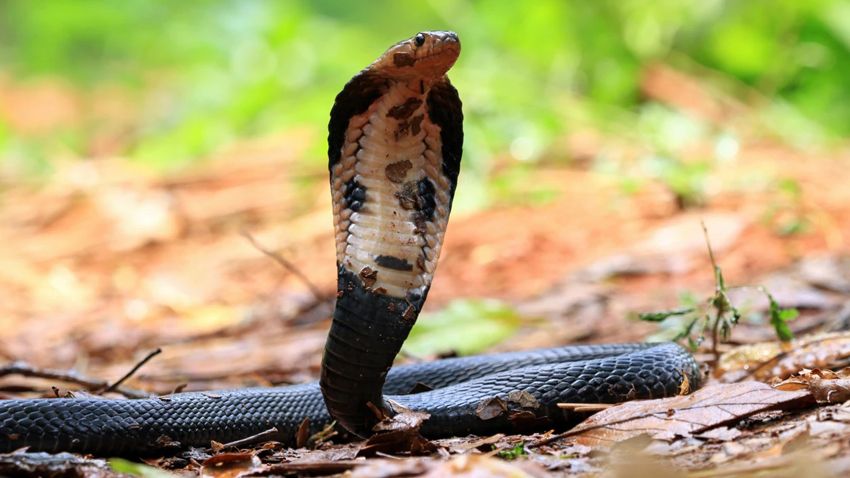
Punjab has reported 1,060 snakebite cases between January and August 2026, according to a Rescue 1122 report. The data covers the period from January 1 to August 31 and includes people from different parts of the province.
Six people lost their lives after being bitten by snakes during the period covered by the report. The figures have raised concerns about the seasonal risks faced by communities during the monsoon.
Men and women affected by snakebites
The Rescue 1122 report showed that both men and women were among those affected. A total of 614 men were bitten by snakes during the eight-month period. The report also recorded 446 women among the victims.
The figures show that snakebite incidents are not limited to one particular group and can affect people living in different areas. Residents in rural communities and places close to fields, water channels and open land may face a greater chance of encountering snakes.
Why snakebite cases increase during monsoon
The Wildlife Department has warned that snakebite incidents tend to increase during the monsoon season. Heavy rainfall can cause water to accumulate in low-lying areas and informal settlements.
When these places become flooded or too wet, snakes may leave their usual shelters. They can then move towards dry and safer locations, including areas where people live.
This movement increases the possibility of snakes coming into contact with residents. Officials have therefore advised people to remain particularly careful during rainy weather.
Snakes move towards populated areas
Snakes generally try to avoid people, but changing conditions during heavy rainfall can bring them closer to homes and other populated locations.
Water accumulation can force snakes out of underground spaces, vegetation and other natural hiding places. They may then enter houses, sheds, storage areas or other dry spaces.
People should be especially careful when moving objects that have been left outside or entering dark and covered areas. Residents should also avoid placing their hands into holes, piles of wood, debris or thick vegetation without checking the area first.
Wildlife Department issues safety advice
The Wildlife Department spokesperson has advised citizens to take precautionary measures to protect themselves from snakes. People should stay alert during the rainy season, particularly after heavy rainfall.
Keeping residential areas clean can reduce places where snakes may hide. Residents should also clear unnecessary piles of rubbish, wood and other material around their homes.
Extra care should be taken in low-lying areas where rainwater collects. People walking through grass, bushes or other areas with limited visibility should also remain cautious.
What people should do after a snakebite
A snakebite should be treated as a serious medical emergency. Anyone bitten by a snake should seek medical assistance as quickly as possible. The victim should be taken to a hospital or medical facility without unnecessary delay.
People should avoid using unverified home remedies or attempting to treat the bite themselves. They should also avoid cutting the wound, applying harmful substances or trying to suck out the venom.
Also Read: Quetta to add 17 electric buses to improve public transport
Such actions can waste valuable time and may cause additional injury. Keeping the affected part of the body still while arranging medical help can also be useful.
Quick medical care can save lives
The six deaths recorded in Punjab during the reporting period highlight the importance of timely medical care.
Not every snakebite results in serious poisoning, but it can be difficult for an untrained person to determine the severity of a bite. For this reason, people should not ignore a snakebite even if the victim initially appears well.
Seeking professional medical help quickly can allow doctors to assess the patient and provide appropriate treatment. Families should also avoid delaying treatment because of traditional or unverified methods.
Monsoon creates additional safety challenges
The monsoon season brings several challenges for communities across Punjab. Heavy rainfall can lead to standing water, flooding and changes in the surroundings. These conditions can also affect wildlife and force animals to move from their usual habitats.
For people living near fields, canals, drains and other open areas, the chances of encountering displaced wildlife may increase. Authorities have continued to encourage residents to take basic safety measures during the rainy season.
Public awareness remains important
The latest snakebite figures also highlight the importance of public awareness. Knowing how snakes behave during rainy weather can help people avoid unnecessary contact. Residents should not attempt to catch or kill snakes themselves.
Instead, they should maintain a safe distance and contact trained wildlife or emergency personnel when assistance is needed. Parents should also advise children not to approach snakes or play near piles of debris, bushes and other possible hiding places.
Rescue 1122 data highlights seasonal risk
The Rescue 1122 figures provide a snapshot of the snakebite situation in Punjab during the first eight months of 2026. With 1,060 reported cases and six deaths, the data shows that snakebites remain a public safety concern.
The monsoon can make the situation more challenging because snakes may move into areas occupied by people. Officials have urged citizens to remain cautious and follow basic safety measures throughout the rainy season.


