

Punjab launches mobile veterinary fleet for livestock treatment
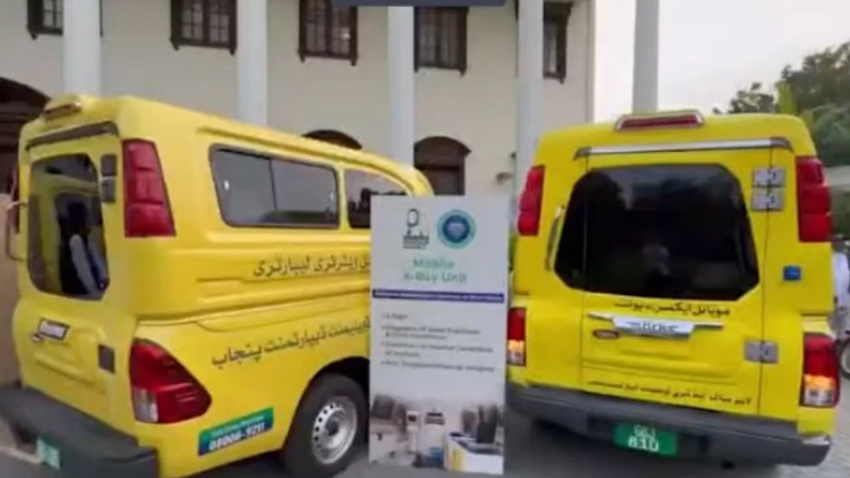
Punjab has launched a fleet of mobile veterinary units aimed at bringing livestock treatment and diagnostic services directly to farmers across the province.
Chief Minister Maryam Nawaz Sharif inaugurates the mobile veterinary fleet and describes the initiative as an important step towards making veterinary care more accessible to livestock farmers.
The new system is designed to reduce the need for farmers to take sick animals to distant veterinary facilities. Instead, veterinary teams will travel to different areas to provide treatment and diagnostic services closer to livestock owners.
New mobile dispensaries and laboratories
According to officials, 30 new mobile veterinary dispensaries and 17 mobile veterinary laboratories have been launched under the initiative.
The government says 2,206 mobile veterinary hospitals are now operational across Punjab. The mobile units will provide treatment as well as diagnostic services, allowing veterinary staff to identify health problems more quickly.
The facilities will include modern equipment such as ultrasound and X-ray machines. The mobile laboratories will also be able to conduct up to 40 tests on site, helping veterinary teams detect diseases without requiring farmers to travel to major hospitals.
Disease screening and surveillance to improve
Officials say the mobile veterinary units will also play a role in screening and monitoring livestock diseases.
Early detection can help farmers receive treatment before an illness spreads to other animals. The provincial livestock department is also expanding diagnostic and surgical facilities at existing veterinary hospitals.
X-ray facilities will be provided at 10 divisional hospitals, while operation theatres and laboratories will be established in all 36 districts. The government also plans to provide 138 ultrasound machines across tehsils in Punjab.
Veterinary assistants to reach farmers
The programme will also rely on a large network of veterinary assistants working in the field. According to the government, veterinary assistants will use 6,964 motorcycles to reach farmers’ camps and provide treatment to livestock.
The motorcycle-based service is intended to help veterinary workers reach areas where farmers may have limited access to established veterinary facilities. This could make routine treatment and early diagnosis easier for livestock owners in rural areas.
Millions of animals already treated
The government says more than 1,000 interns working under the chief minister’s internship programme have so far treated around 3.4 million animals. The figure highlights the scale of demand for veterinary services across Punjab.
The latest mobile fleet is expected to further expand access to treatment by taking veterinary services directly to livestock farmers. Officials believe this approach can help farmers deal with animal health problems more quickly and reduce delays in treatment.
Model veterinary hospitals planned
The provincial government also plans to establish a model veterinary hospital in every tehsil. It has announced plans to construct or renovate 230 existing veterinary hospitals across Punjab.
Also Read: Fire safety training becomes mandatory for Punjab WASA staff
The proposed model hospitals will include facilities designed for different types of livestock and animals. These will include cattle crush, mechanical crush and horse crush facilities.
The hospitals are also expected to have hydraulic operating tables and modern lighting in their operating theatres. The government says these improvements are aimed at creating better and more modern veterinary facilities across the province.
Focus on increasing milk and meat production
The government is also focusing on cattle breeding as part of its broader livestock strategy. Maryam Nawaz says Punjab will focus on improving cattle breeding to increase milk and meat production.
The government has also announced plans for the artificial culling of 800,000 animals, saying the measure is intended to support higher milk and meat production. The policy is part of the province’s wider efforts to improve livestock productivity and strengthen the sector.
Punjab declared free of lumpy skin disease
Officials also say Punjab has been declared free of lumpy skin disease following a vaccination campaign. The disease has been a concern for livestock owners because it can affect cattle health and reduce productivity.
The government says vaccination efforts have helped control the disease across the province. The livestock department will continue disease surveillance through veterinary facilities and mobile teams to help identify potential outbreaks.
Veterinary care to reach farmers’ doorsteps
The new mobile veterinary system is expected to change how many livestock farmers access basic animal healthcare.
Instead of relying only on fixed veterinary hospitals, farmers will have access to mobile teams equipped to provide treatment and conduct several diagnostic tests. The initiative could be particularly useful for farmers in areas where veterinary facilities are limited or difficult to reach.
The government says the overall aim is to make livestock treatment available at farmers’ doorsteps. Maryam Nawaz says the province is committed to improving veterinary services while supporting livestock farmers and increasing milk and meat production.


