

Fire safety training becomes mandatory for Punjab WASA staff
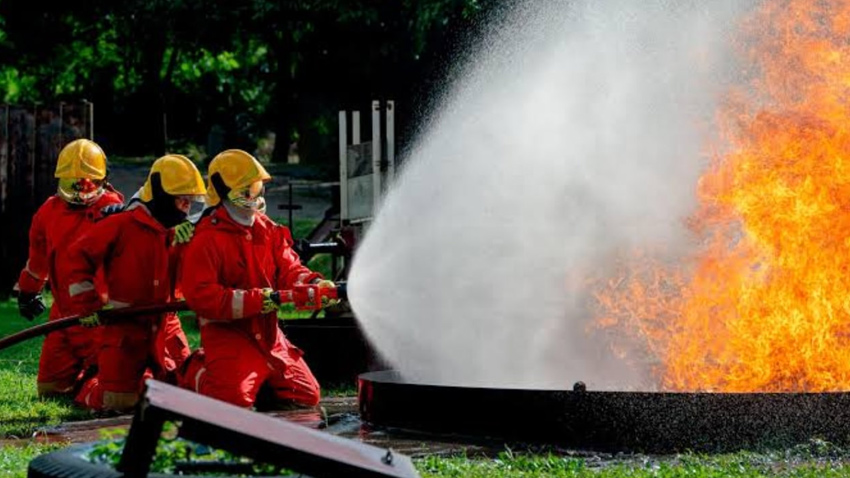
The Punjab government has approved mandatory fire safety training for staff working at Water and Sanitation Agency (WASA) disposal stations across the province.
The decision has been approved by the Housing, Urban Development & Public Health Engineering Department (HUD & PHED).
Following the approval, Punjab WASA has directed all managing directors to immediately coordinate with the relevant district offices of Rescue 1122 to arrange the training. The move aims to ensure that field staff know how to respond safely and quickly if a fire or other emergency occurs at a disposal station.
Rescue 1122 to conduct practical sessions
WASA managing directors have been instructed to coordinate with district offices of Rescue 1122 to arrange structured training sessions for staff.
The training will not be limited to classroom instructions. It will also include hands-on activities to give workers practical experience in dealing with fire emergencies. Staff will be trained in basic fire safety measures and emergency response procedures.
They will also learn how to identify potential fire hazards and understand the steps that should be taken when an emergency occurs. The involvement of Rescue 1122 is expected to give the training a practical focus, as the emergency service regularly responds to fire and rescue incidents.
Focus on fire hazards and emergency response
Officials want WASA staff to become more aware of risks that could lead to fires at disposal stations. The training will help workers identify potential hazards before they turn into serious incidents.
Staff will also be guided on how to react during an emergency and what immediate steps should be taken to protect themselves and others.
Practical exercises are expected to help workers understand emergency procedures better than instructions alone. The broader aim is to establish common fire safety practices at WASA disposal stations across Punjab.
Training to follow a standard system
Punjab WASA is seeking to standardise fire safety practices across its disposal stations.
Different teams working at different locations will therefore receive training under a structured process. This is intended to ensure that staff have a basic understanding of fire prevention and emergency response, regardless of where they are posted.
Also Read: Bengal tiger, two cubs spotted in Islamabad residential area
The measure could also help improve coordination between WASA field workers and emergency services during an actual incident. A clear response system can reduce confusion when workers have to deal with an emergency under pressure.
WASAs ordered to record training sessions
The directive also includes strict documentation requirements. WASAs have been instructed to record training sessions through high-resolution videos and photographs at every disposal station. The recordings will provide evidence that the required training has been conducted.
Officials will also be able to review the sessions and maintain a central record of the programme. This documentation requirement is intended to make the implementation process easier to monitor.
Compliance reports to be submitted
WASAs must submit complete compliance reports along with video recordings of the training sessions. The reports are to be sent to Punjab WASA and the secretary of HUD & PHED for centralised monitoring and record-keeping.
This will allow the departments to track which disposal stations have completed the required training. It also places responsibility on WASA management to ensure that the directive is implemented at the field level.
Why the training matters
Disposal stations are essential to the functioning of urban sanitation systems.
Workers at these sites operate around electrical equipment, machinery and other facilities that can pose safety risks. A fire at such a location could disrupt sanitation services while also putting workers and nearby communities at risk.
Regular safety training can help staff recognise warning signs and respond appropriately before an incident becomes more serious. The new requirement therefore focuses not only on responding to fires but also on improving safety awareness and prevention.


