

Peshawar BRT fleet expands to 296 with arrival of 52 new buses
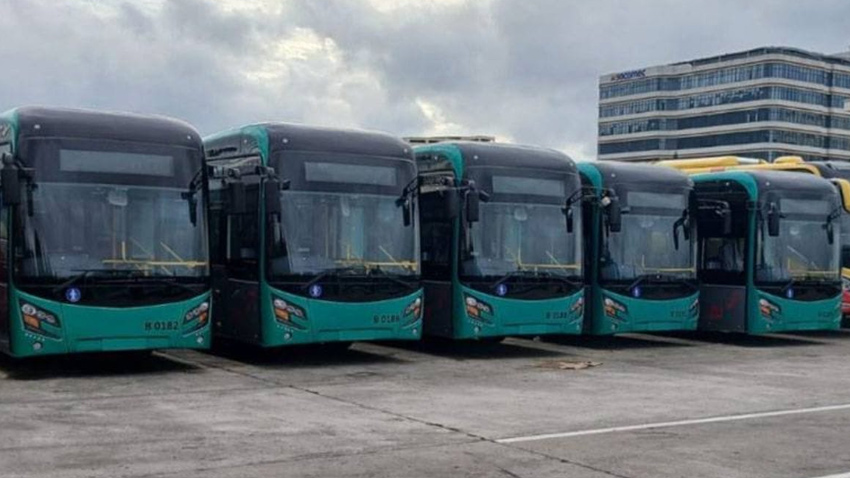
Peshawar’s Bus Rapid Transit (BRT) service has received the final batch of 27 new buses, completing the delivery of all 52 buses purchased to expand the transport system.
The latest batch arrived at the Chamkani depot on Friday morning, according to TransPeshawar, the authority responsible for operating the service. The first 25 buses arrived in Peshawar last month. With the arrival of the remaining 27, the delivery of the entire order has been completed.
Officials said the addition of the 52 buses had increased the total number of buses in the Peshawar BRT fleet to 296. The expanded fleet is expected to help the service manage passenger demand more effectively and improve daily travel for people who rely on public transport.
New buses expected to improve passenger services
The arrival of the new buses marks an important step towards strengthening Peshawar’s public transport network.
A larger fleet can help transport more passengers and give the operator greater flexibility in assigning buses to different routes. It may also help the service respond to rising demand during busy travel periods.
TransPeshawar said the additional buses would support efforts to improve existing services and make travel more convenient for passengers. However, improvements in waiting times, service frequency and passenger comfort will depend on how the buses are deployed and how frequently they operate.
More BRT routes may be introduced
The expanded fleet could also support new BRT routes in Peshawar. TransPeshawar said the arrival of all 52 buses would help facilitate future route expansion and meet the growing transport needs of the city’s residents.
New routes could make public transport accessible to more people, particularly those living or working in areas that are not adequately served by the existing network.
However, the authority has not specified which new routes will be introduced or when they will begin operating. The timing of any expansion will depend on route planning, operational arrangements and the availability of the necessary infrastructure.
TransPeshawar rejects claims circulating on social media
Meanwhile, TransPeshawar has described videos and claims circulating on social media about the movement of the new buses as misleading.
Also Read: Suthra Punjab announces 524 jobs with walk-in interviews
According to the authority, some posts presented the movement of the buses as if they were being taken out of Peshawar.
TransPeshawar clarified that the buses were actually being transported to the city as part of the fleet expansion. The authority said the arrival of the final batch completed the delivery of all 52 buses and clarified the circumstances surrounding the videos circulating on social media.
The episode highlights how videos shared without full context can cause confusion about public projects. Checking information with the relevant authority can help people distinguish between verified updates and misleading claims.
Expanded fleet brings new transport responsibilities
With the fleet now standing at 296 buses, the next challenge will be to ensure that the additional vehicles translate into better services for passengers.
This will require effective route planning, regular maintenance and careful scheduling. The buses will also need to be deployed according to passenger demand so that the expanded fleet is used efficiently.
Transport authorities will need to monitor passenger numbers and identify routes where additional services are most needed. Clear information about route changes and new services will also help passengers plan their journeys.
Better public transport could benefit Peshawar
Reliable public transport is important for people travelling to work, educational institutions, hospitals and markets. An expanded BRT fleet could improve access to these destinations if the new buses are used to increase service frequency and extend coverage to more areas.
A larger fleet alone, however, does not guarantee shorter waiting times or more comfortable journeys. These improvements depend on efficient operations, proper maintenance, and services that meet passengers’ needs. The planned expansion will therefore need to be supported by practical measures that improve the overall travel experience.


