

Pakistan Introduces a High-Tech System to Manage Loadshedding
Technology-Driven Power Management
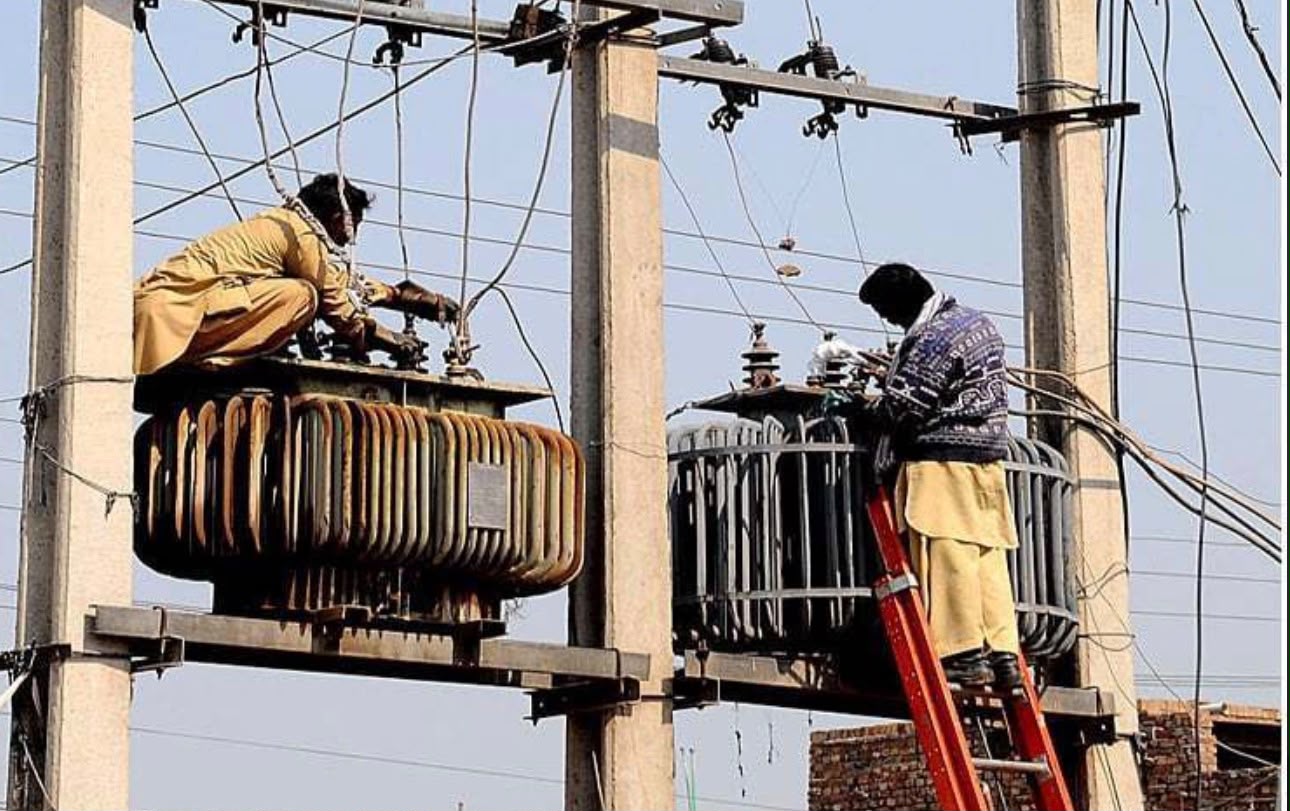
The government has unveiled plans for an Asset Performance Management System, with an initial pilot project expected to cover Lahore and Kasur. The initiative aims to use technology to improve the monitoring and management of electricity infrastructure.
The announcement comes as electricity distribution and the reliability of power supplies remain important concerns for households, businesses and industrial consumers across Pakistan.
A technology-based monitoring system could help authorities identify equipment problems, track the performance of power assets and improve maintenance planning. Such capabilities may also help distribution companies identify operational weaknesses before they develop into larger disruptions.
Also Read: Lahore police crack down on drifting, reckless driving
Implementation Will Be Crucial
The effectiveness of the initiative will depend on how the system is implemented, the quality of available data and the ability of electricity authorities to respond to problems identified through monitoring.
A successful pilot could provide a basis for expanding the system to other cities and distribution networks. However, details about its implementation timeline, total cost and expected impact on the duration of power outages have not yet been fully established.
Technology alone cannot eliminate loadshedding caused by electricity shortages, fuel constraints or broader supply-and-demand imbalances. Its immediate value would depend on improving operational efficiency and identifying avoidable disruptions.
The pilot will therefore be an important test of whether digital monitoring can help Pakistan strengthen its electricity infrastructure and deliver more reliable services to consumers.


