

NDMA warns of floods in northern Pakistan over next 72 hours
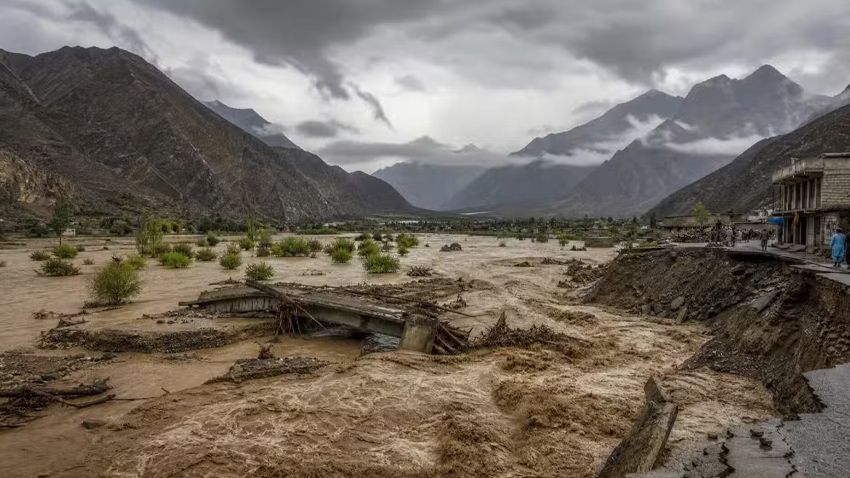
Flash floods and landslides pose major risks
According to the latest alert, intense rainfall in mountainous areas could cause sudden rises in rivers, streams and seasonal nullahs.
The weather could also trigger flash floods, landslides and debris flows in areas already considered vulnerable.
Officials warn that these hazards can develop quickly, leaving residents and travellers with little time to react.
In Gilgit-Baltistan, Gilgit, Diamer, Ghizer, Hunza, Astore, Skardu and Shigar are among the areas that could face sudden flooding.
Residents in these areas have been urged to remain alert and follow instructions issued by local administrations.
AJK districts also face a flooding threat
Several areas of Azad Jammu and Kashmir have also been identified as vulnerable.
These include Bagh, Poonch, Muzaffarabad, Haveli, Bhimber, Sudhanoti, Mirpur and Kotli.
Heavy rain in hilly areas could cause streams and seasonal waterways to rise rapidly.
Local authorities have therefore been asked to prepare for possible emergencies and ensure that vulnerable communities can be moved to safer locations if required.
KP districts at risk from intense rainfall
A number of districts in Khyber Pakhtunkhwa could also experience sudden flooding.
Chitral, Dir, Swat, Bajaur, Mohmand, Shangla, Battagram, Kohistan, Mansehra, Abbottabad and Haripur are among the areas mentioned in the alert.
The weather system could also increase the risk of urban flooding in Nowshera, Peshawar, Swabi and Mardan.
Low-lying neighbourhoods and roads connecting different areas could be particularly vulnerable if heavy rainfall continues.
Major rivers expected to rise
The NDMA has forecast increased flows in several major rivers during the next 72 hours.
These include the Indus, Kabul, Swat, Panjkora, Kurram, Tochi, Jhelum, Chenab and Ravi rivers.
Water levels could also rise at several points along major rivers, as well as in nearby streams and seasonal nullahs. The development is being closely monitored because a sudden increase in water flow could affect communities located near riverbanks and waterways.
Nullah Lai raises concern in Rawalpindi and Islamabad
Rawalpindi and Islamabad could also face increased flood risks during the period covered by the alert. Rainfall may cause a significant increase in the flow of Nullah Lai, raising concerns for low-lying areas.
Also Read: Punjab launches mobile veterinary fleet for livestock treatment
The water channel has previously been associated with urban flooding during periods of heavy rainfall. Authorities have therefore been directed to closely monitor water levels and take preventive measures where necessary.
Authorities told to prepare emergency resources
The NDMA has instructed relevant authorities to remain vigilant and ensure timely preventive action.
Local administrations have been asked to pre-position essential resources in vulnerable areas. They have also been directed to keep evacuation arrangements ready so residents can be moved quickly if flooding or another emergency threatens populated areas.
The emphasis is on early preparation rather than waiting for conditions to worsen. This approach could help reduce the impact of flash floods and other weather-related emergencies.
Travellers urged to avoid risky routes
The NDMA has advised residents, tourists and travellers in flood-prone areas to stay away from riverbanks, streams, seasonal waterways and other dangerous locations. People have also been advised to avoid unnecessary travel during periods of heavy rainfall.
The authority has specifically warned people against attempting to cross flooded roads, bridges, nullahs or fast-moving water. Even water that appears shallow can have enough force to sweep away people and vehicles.
Travellers should check weather forecasts and road conditions before starting their journey. They should also avoid roads closed by local administrations and follow all traffic and safety instructions.
Public urged to monitor official alerts
The NDMA says it is maintaining coordination with relevant authorities and providing forecasts, early warnings and other information to support preparations. The public has been advised to regularly monitor official weather updates and instructions issued by district administrations.
People can also use the Pak NDMA Disaster Alert app to receive timely information about weather and disaster risks. In case of a flood emergency, citizens have been advised to dial 911 for assistance.


