

Lahore roof collapse kills one, injures woman and two children
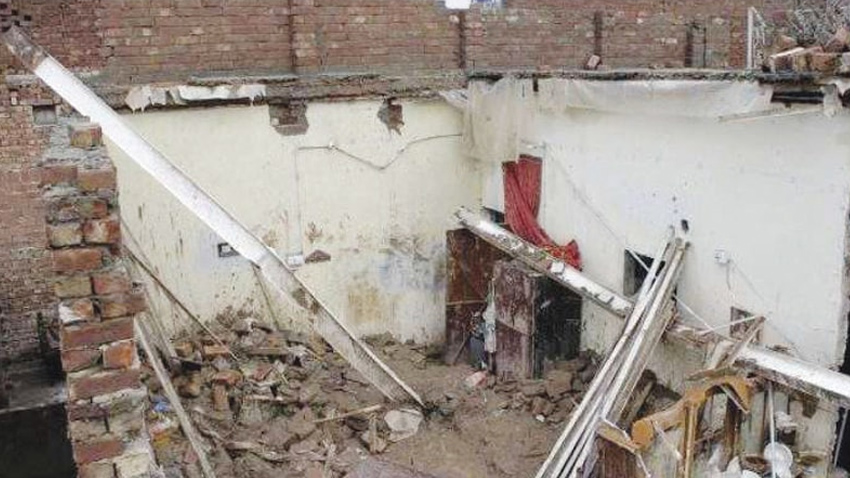
According to rescue officials, the roof collapsed while the occupants were inside the house. The sudden collapse caused roof material and debris to fall on the occupants, leaving them trapped underneath.
Rescue teams rush to the scene
Rescue teams quickly reach the site after receiving information about the incident. The rescuers launch an operation to remove the rubble and locate the people trapped beneath the collapsed roof. The rescue operation continues as teams carefully clear the debris to reach the occupants.
A man identified as Muhammad Ashraf is found buried under the debris. Rescue sources say Ashraf died at the scene as a result of the incident. The rescuers then managed to pull a woman and two children out from beneath the rubble.
Woman and two children shifted to hospital
The injured woman and children were given first aid at the scene following their rescue. They were later shifted to THQ Hospital Raiwind for further medical treatment. Officials say the condition of all three injured people is out of danger.
The injured are kept under medical care after being taken to the hospital. The incident highlights the risks faced by residents living in old and poorly maintained buildings during periods of heavy rainfall.
Rain increases risks for weak buildings
Rainfall can create additional pressure on already damaged or structurally weak buildings.
Old roofs may become more vulnerable when exposed to continuous rain, particularly if the structures are already in poor condition. In this case, the roof of the house was described as dilapidated before it collapsed during the rainfall.
The incident raises concerns about the safety of residents living in similar structures in Lahore. People living in old houses may face greater risks when heavy rain continues for an extended period.
Lahore receives rain in several areas
The roof collapse occurs as rainfall affects parts of Lahore. Rain can bring relief from hot weather, but it can also create safety concerns in areas with weak buildings and poor drainage.
Water accumulation can further complicate conditions in vulnerable areas and make rescue operations more difficult.
Residents in old or damaged buildings are advised to remain alert during periods of heavy rainfall. Any visible cracks, damaged sections, or signs of structural weakness should be taken seriously.
Rescue operation saves injured occupants
The quick response by rescue teams helps locate and retrieve the trapped occupants. Rescuers first work to clear the debris and reach those underneath the collapsed roof.
Also Read: Rs50,000 monthly stipend for graduates under skills training programme
The woman and two children are successfully brought out and given immediate first aid. They are then transported to THQ Hospital Raiwind for further treatment.
However, one man cannot be saved and dies at the scene. The incident leaves one family facing a tragic loss while the injured continue to recover in hospital.
Safety concerns grow during heavy rain
Roof collapses are among the risks that can emerge during severe weather, particularly in buildings that are already damaged or poorly maintained.
The Lahore incident shows how quickly a spell of rain can turn into a dangerous situation for residents of vulnerable structures. Authorities and residents need to remain alert when rainfall becomes intense.
People living in visibly damaged buildings should take precautions and avoid staying in areas where roofs or walls appear unsafe. Early action can help prevent accidents and reduce risks to families during extreme weather.
Authorities urged to remain alert
The incident also highlights the importance of checking the condition of old residential structures before and during the rainy season.
Buildings with weak roofs, damaged walls, or other structural problems can pose serious risks to their occupants. Residents should report dangerous structures where necessary and follow safety instructions issued by local authorities.
During heavy rain, people should also avoid standing beneath visibly damaged roofs or entering unsafe sections of buildings. Emergency services should be contacted immediately if a building shows signs of collapse or people become trapped.


