

KP approves free electric scooters for female students, working women
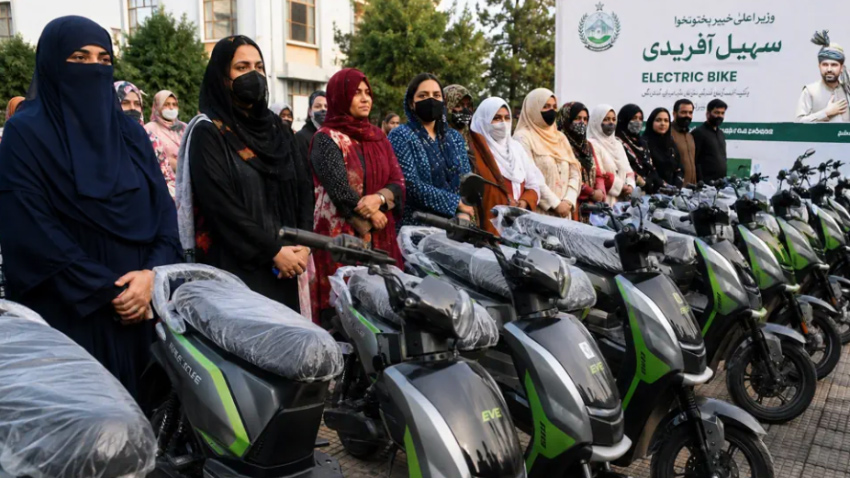
Peshawar selected for first phase
Peshawar has been selected as the starting point for the electric scooter programme.
Authorities have been directed to take immediate steps to launch the first phase of the scheme. The programme will initially target women in the provincial capital who need reliable transport to reach colleges, universities and workplaces.
The government plans to extend the scheme to other districts after the initial phase is implemented. This means women outside Peshawar could also benefit from the programme at a later stage.
Who will receive the electric scooters?
The scheme is aimed at two main groups: female students studying at colleges and universities and working women. The government says distribution will be based on merit to ensure that the scooters go to deserving applicants.
Further details about the number of scooters, application process and eligibility requirements are expected to be announced as the scheme moves towards implementation. The government has also stressed the importance of transparency in the distribution process.
Scheme aims to improve women’s mobility
Chief Minister Sohail Afridi said the initiative is intended to help women travel more safely and conveniently. For many students and working women, daily travel can be difficult when public transport is crowded, expensive or unavailable on suitable routes.
Providing electric scooters could give eligible women greater independence in planning their daily journeys. The government says the initiative is part of its broader efforts to support women’s empowerment and improve access to education and employment.
Cleaner transport is another major goal
The electric scooter programme is also linked to the government’s plans for cleaner transportation. Electric vehicles do not use conventional petrol or diesel engines, making them part of efforts to reduce emissions from road transport.
Chief Minister Afridi said the use of electric scooters would help reduce air pollution and promote a cleaner environment. The initiative therefore combines two objectives: improving women’s mobility and encouraging environmentally friendly transport.
Government plans more electric transport projects
The scooter scheme is not the only electric transport initiative being pursued by the KP government.
Officials have also announced plans for an electric rickshaw scheme following the rollout of the electric bike programme. The government is also accelerating work on an electric bus scheme for divisional headquarters across the province.
Also Read: PIA to increase London flights from four to seven weekly from Oct 27
These plans indicate a wider push towards electric mobility and modern public transport in KP. The government has directed departments to speed up work on public-interest projects included in the Annual Development Programme.
Merit-based distribution planned
A key feature of the scheme is the government’s decision to distribute the electric scooters on merit.
Officials have been instructed to ensure transparency in the selection process. The latest announcement does not yet provide the total number of scooters that will be distributed or the exact criteria applicants will have to meet.
Details about registration, selection and distribution are expected to become clearer before the first phase begins. This information will be important for female students and working women who want to apply.
Why Peshawar matters
Starting the scheme in Peshawar allows the government to test the programme before expanding it across KP. The provincial capital has a large number of students and working women who travel regularly for education and employment.
If the first phase runs smoothly, the model could be extended to other districts. The expansion could give more women access to personal transport without requiring them to rely entirely on conventional public transport.
A step towards greater independence
The government says the programme is designed to help women become more independent by improving access to educational institutions and workplaces. For students, easier transportation could make daily travel more convenient.
For working women, personal mobility could provide greater flexibility in commuting to and from work. The initiative could also encourage more women to use electric vehicles as an affordable and environmentally friendly form of transport.


