

Govt to install 286 early warning systems to tackle glacial floods
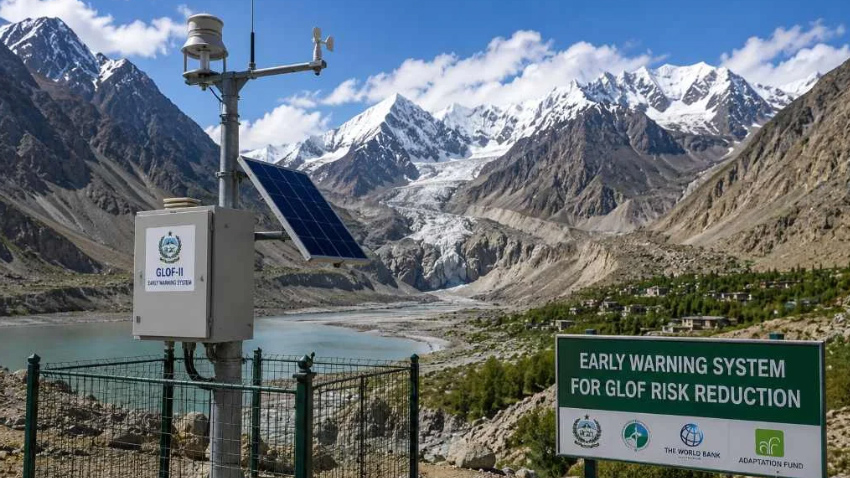
Warning systems to cover 24 vulnerable valleys
According to a report by the state-run Associated Press of Pakistan, the early warning systems will be installed in 24 vulnerable valleys. Of these valleys, 18 are located in Gilgit-Baltistan, while six are in Khyber Pakhtunkhwa.
The systems are expected to help communities receive timely information about potential flood threats. Early warnings can give residents more time to move to safer areas and allow authorities to respond before a disaster becomes more severe.
$37 million project focuses on climate safety
The total cost of the GLOF-II project is estimated at $37 million, according to the document cited in the report. The project is being funded by the United Nations Adaptation Fund.
It is designed to improve protection for communities facing risks from glacial lake outburst floods. These floods can occur when water stored behind unstable glacial formations is suddenly released.
Such floods can move rapidly through valleys and cause serious damage to homes, roads, farmland, and other infrastructure.
Earlier GLOF project laid the groundwork
Pakistan previously implemented the GLOF-I project between 2011 and 2016. The earlier project aimed to protect vulnerable communities in Gilgit-Baltistan and Chitral in Khyber Pakhtunkhwa from glacial flood risks.
The new GLOF-II project builds on those efforts by expanding early warning and preparedness measures to more vulnerable locations. The focus is particularly important in mountainous areas where communities may have limited time to respond to sudden flooding.
Pakistan faces growing climate risks
Pakistan is considered highly vulnerable to the effects of climate change. The country has faced increasingly unpredictable weather, including heatwaves, droughts, cyclones, extreme rainfall and floods.
These events have placed additional pressure on communities, infrastructure and emergency response systems. The latest effort to expand early warning systems reflects the growing need for better preparation as extreme weather events become a major challenge.
Monsoon floods add to concerns
The warning systems are being planned at a time when Pakistan is also dealing with the effects of heavy monsoon rainfall.
According to the National Disaster Management Authority, at least 155 people have died, and more than 460 others have been injured in heavy rains and floods since the beginning of the monsoon season in June.
The figures highlight the continuing risks posed by severe weather across the country. Improved warning systems could help authorities and residents respond more quickly when dangerous weather conditions develop.
Also Read: Heavy rain floods twin cities as Nullah Lai water level rises
Pakistan has suffered major flood disasters
Pakistan has experienced some of its most damaging natural disasters in recent years. Last year, monsoon rains and flooding killed more than 1,000 people and caused widespread damage to homes, roads, agricultural land and public infrastructure.
Punjab was among the provinces that suffered the heaviest impacts. The scale of the damage showed how quickly extreme rainfall can disrupt communities and cause major economic losses.
2022 floods remain a major warning
The devastating floods of 2022 remain one of the clearest examples of Pakistan’s vulnerability to climate-related disasters.
Record monsoon rainfall combined with glacial melt triggered widespread flooding across the country. More than 1,700 people were killed, while over 33 million people were affected.
The disaster also caused an estimated $30 billion in economic losses and severely damaged homes, roads, farmland, and public infrastructure. The experience increased calls for stronger disaster preparedness and better early warning mechanisms.
Why early warning systems matter
Early warning systems can play an important role in reducing the impact of natural disasters. In mountainous areas, communities may have only a short time to respond when a glacial lake suddenly releases large amounts of water.
Timely alerts can allow residents to evacuate before floodwaters reach populated areas. They can also help local authorities prepare emergency teams, identify evacuation routes, and move vulnerable people to safer locations.
What the new project means
The installation of 286 systems is expected to strengthen Pakistan’s ability to monitor and respond to glacial flood threats. The focus on 24 vulnerable valleys means the project will target communities facing some of the highest risks.
However, the effectiveness of the system will depend on regular maintenance, accurate monitoring, and quick communication with residents. Public awareness will also be important so people understand the warnings and know where to go during an emergency.


