

Govt moves to end OGRA LPG price notifications, low-income families to get support
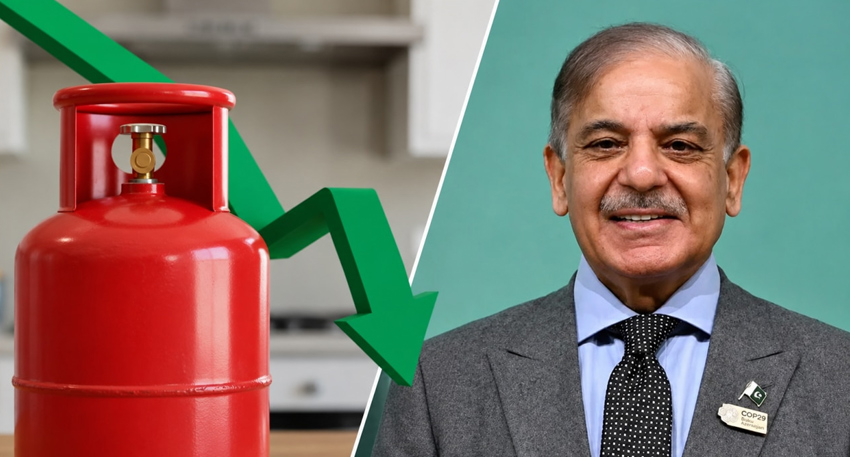
The proposal has been sent to the federal Cabinet for final approval. It aims to link LPG prices with actual import costs instead of government-fixed price limits.
OGRA’s Monthly Price System May End
The proposed LPG deregulation would end the Oil and Gas Regulatory Authority’s (OGRA) monthly price notifications for locally produced and imported LPG from November 1, 2026.
State-owned companies would take the lead in importing LPG in bulk and setting monthly base prices. These companies include Pakistan State Oil (PSO), SSGC LPG Limited, PARCO Pearl Gas Limited and Pakistan LNG Limited.
Under the new system, market-based LPG pricing would consider the actual cost of bringing fuel into Pakistan.
This includes the Saudi Aramco Contract Price, import premiums, shipping charges, insurance, other expenses and applicable taxes.
Why the Government Wants to Change LPG Pricing
The Petroleum Division says the existing formula does not properly reflect the cost of imported LPG.
Currently, OGRA sets maximum prices using the Saudi Aramco price on a free-on-board basis, along with a fixed margin of Rs35,000 per metric ton.
However, the formula does not fully include shipping, port handling, terminal fees and insurance.
The fixed margin has remained unchanged since 2018. During this period, diesel prices increased by around 205 per cent, while the rupee lost approximately 155 per cent of its value.
As a result, LPG prices in Pakistan have often remained higher in the open market than the official rates.
Between January and July 2026, prices at filling plants were reportedly Rs60 to Rs79 per kilogram above OGRA’s notified consumer price.
The difference reached Rs158 per kilogram in March. Market prices were reportedly 11 to 70 per cent higher than the official limit.
Read Also: Islamabad traffic alert: Major roads to face diversions during foreign delegation movement
New Fund Planned for Low-Income Consumers
A key part of the proposal is the creation of a Producer-Price Differential Fund in the Public Account.
The Producer-Price Differential Fund will collect the difference between the monthly import-based price and the producer price linked to the Saudi Aramco benchmark.
Local producers will receive the producer price, while the difference will be deposited into the fund. Refineries and producers will be responsible for collecting and depositing the amount.
The Producer-Price Differential Fund will be audited by the Auditor General of Pakistan.
The government plans to use this money for an LPG subsidy aimed at vulnerable households.
Families meeting the Benazir Income Support Programme (BISP) criteria or the government’s approved poverty-means-test limit will qualify for assistance.
LPG Companies May Set Their Own Margins
Under the proposed LPG deregulation, importing and marketing companies will be allowed to decide their marketing margins and freight costs.
OGRA and the Competition Commission of Pakistan will monitor the market to prevent price-fixing and unfair business practices.
Existing taxes, including petroleum levy, sales tax and federal excise duty, will continue to apply.
The proposal also recommends closing the LPG Pricing Committee formed in 2017.
Its responsibilities would be transferred to OGRA, while the Petroleum Division would focus on announcing LPG product specifications for summer and winter.
The Petroleum Division will prepare guidelines for the subsidy fund within one month, in consultation with the Finance Ministry and BISP. The subsidy system will be reviewed every year.


