

Goods transport fares to rise 15% as diesel costs climb
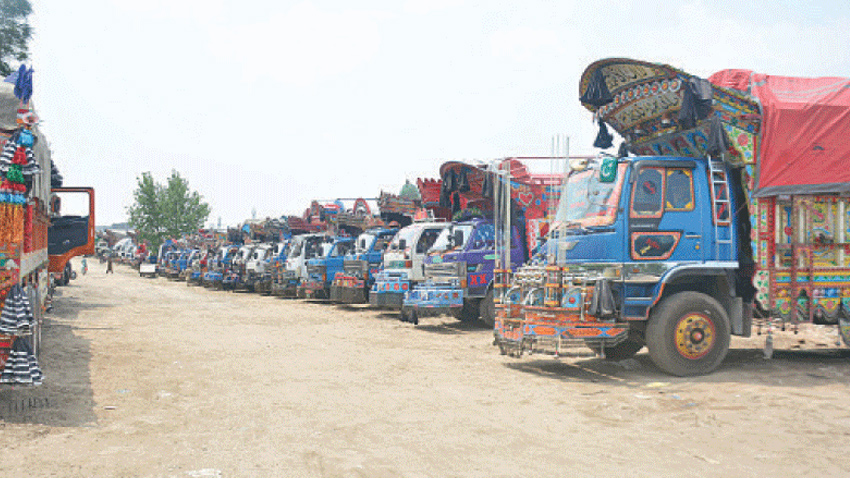
Association President Awais Chaudhry said diesel prices have increased by around Rs20 per litre, putting additional pressure on goods transporters.
“Therefore, a 15% increase in goods transport fares has become inevitable,” the association president said.
The increase means businesses that depend on trucks, trailers and other goods vehicles could face higher transportation expenses.
Why transporters are raising fares
Transporters say fuel is one of their major operating costs. Any significant increase in diesel prices directly affects the cost of moving goods from one city to another. According to the association, repeated increases in diesel prices have left transporters with limited room to absorb additional expenses.
Maintaining vehicles, paying drivers, covering tolls, and meeting other operating costs have also become more difficult as overall transportation expenses rise. The association says the latest fare increase is aimed at covering the additional costs of operating goods vehicles.
Transport costs have already been linked to higher prices of essential items in different parts of the country. Recent reports have also highlighted increases in freight and public transport fares following higher petroleum prices.
Higher freight costs may affect consumers
The impact of the 15% increase is expected to go beyond the transport sector. Goods transport plays an important role in moving food, industrial products, construction materials and other essential items across Pakistan.
When transportation becomes more expensive, businesses may have to spend more to move products from factories, farms and warehouses to markets. These additional expenses can eventually affect the prices paid by consumers.
The association has also warned that higher freight costs could put pressure on industries that already face increased production and operating expenses. Essential commodities could be particularly affected because they depend heavily on road transportation to reach wholesale and retail markets.
Transporters demand stable diesel prices
Awais Chaudhry has urged the government to take immediate steps to stabilise diesel prices. He said transporters need greater certainty to calculate their operating expenses and set freight rates. The association has also called for diesel prices to be reviewed at least every 15 days.
According to Chaudhry, a regular review system would make fuel pricing more predictable for transporters and businesses.
He said frequent changes in diesel prices make it difficult for transporters to decide how much they should charge for carrying goods.
“The government should tell us on what basis the transporters will decide their fares?” he said.
Frequent fuel changes create uncertainty
Transporters argue that frequent changes in petroleum prices make long-term business planning difficult.
A transporter may agree to carry goods at a particular rate based on the prevailing diesel price, but a sudden fuel increase can raise the cost of the journey. This can create disagreements between transporters, traders and businesses over freight charges.
Also Read: CM Punjab e-bike scheme draws huge student response - Check now
According to the association, a more predictable fuel pricing mechanism could help businesses plan their transportation expenses more effectively. It could also reduce uncertainty for industries that depend on the regular movement of raw materials and finished products.
Businesses and industries face additional pressure
The latest freight increase comes as businesses already face higher operating costs.
Manufacturers depend on transporters to move raw materials to factories and finished products to markets. Similarly, farmers and traders rely on goods vehicles to transport agricultural products between production areas and urban markets.
Any increase in freight charges can therefore have a wider effect on supply chains. Recent increases in goods transportation charges have also been linked to higher commodity costs, including flour and other essential items.
Government urged to review fuel policy
The All Pakistan Goods Transport Owners Association has urged the government to address the underlying issue of rising diesel prices. The association says stabilising fuel prices would provide relief to transporters and reduce pressure on freight rates.
It has also called for a clear and regular mechanism for reviewing diesel prices. Transporters believe that such a system would allow them to calculate fares more accurately instead of repeatedly adjusting rates whenever fuel prices change.
What the fare increase means for consumers
The 15% increase in goods transport fares could eventually be reflected in the prices of goods if businesses pass higher transportation costs on to consumers. The effect may vary depending on the distance goods need to travel, the type of product, and the existing transportation costs.
Products transported over long distances could face greater pressure because fuel makes up a significant part of the overall freight expense. However, the final impact on retail prices will depend on how manufacturers, wholesalers, retailers and transporters absorb or pass on the additional costs.
Transporters say hike was unavoidable
The association has maintained that the fare increase is not a voluntary decision. Awais Chaudhry said transporters were forced to revise their rates because existing fares no longer adequately covered their operating costs.
The association has called on the government to take action on diesel prices and introduce a predictable pricing mechanism. Transporters say this would help prevent repeated fare adjustments and provide greater stability to the freight sector.


