

CDA fines 48 Islamabad hospitals Rs14 million over fire violations
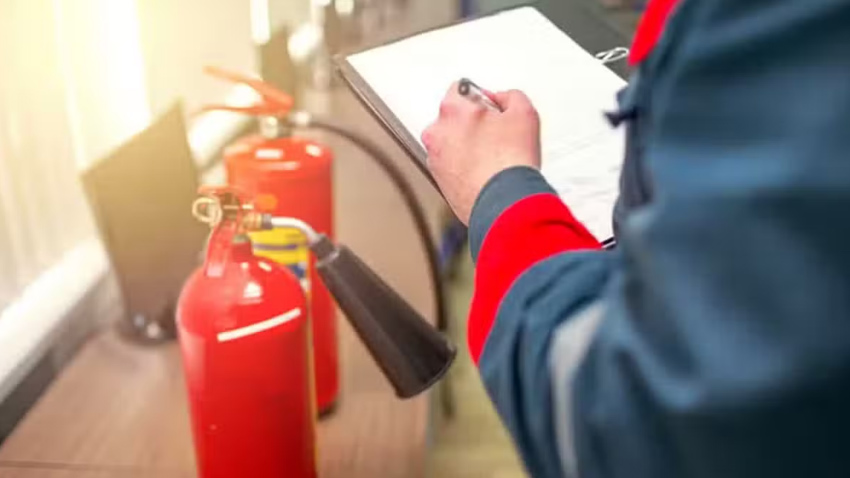
The Capital Development Authority (CDA) has fined 48 public and private hospitals and medical centres in Islamabad over violations of fire and life safety requirements.
The action follows inspections carried out after the deadly fire at the Pakistan Institute of Medical Sciences (PIMS), where 14 newborns were killed.
The CDA imposed a combined Rs14.05 million in fines on the healthcare facilities.
The penalties were issued on August 30 and 31, with individual fines ranging from Rs50,000 to Rs500,000 depending on the nature and severity of the violations.
Major hospitals among those fined
Several major healthcare facilities were also penalised during the enforcement drive.
PIMS, Polyclinic Hospital and Capital Hospital were each fined Rs500,000 for fire safety violations.
Maroof International Hospital and Nori Hospital were also among the facilities facing penalties.
Riphah International Medical College, Owais Homeopathic Teaching Hospital, Akbar Niazi Teaching Hospital, Advance International Hospital, River Garden Hospital and Islamabad International Hospital were each fined Rs500,000.
The penalties show that the inspections covered both public and private healthcare facilities across the capital.
Fire safety systems inspected
CDA teams examined several important safety arrangements during the inspections. These included fire detection systems, alarms, firefighting equipment and emergency exits.
Officials also assessed other fire and life safety measures designed to protect patients, medical staff and visitors during an emergency. The inspections found serious deficiencies at several facilities.
In some cases, arrangements for evacuating patients and staff were also found to be unsatisfactory. The findings have raised concerns because many hospital patients cannot move quickly or leave buildings without assistance.
Emergency exits and evacuation arrangements under scrutiny
Emergency evacuation is particularly important in healthcare facilities because many patients may need assistance to leave the building.
Patients in intensive care units, emergency wards and other specialised departments may require medical support during an evacuation. Any delay in moving such patients can increase the risks during a fire or other emergency.
The CDA’s inspections therefore focused on whether hospitals had adequate systems to detect fires, alert people and safely evacuate those inside. The action shows that fire safety is receiving greater attention following the PIMS tragedy.
Hospitals had received earlier notices
Officials said several hospitals and medical centres had previously been issued notices to improve their fire and life safety arrangements.
The notices directed the facilities to address identified shortcomings and comply with the required safety standards. However, the CDA found that the necessary improvements had not been fully implemented at some institutions.
The authority subsequently imposed fines after the safety requirements remained unmet. The action also serves as a warning to other healthcare facilities that failure to correct safety deficiencies could lead to further penalties.
PIMS tragedy raises safety concerns
The enforcement drive comes days after the deadly fire at PIMS in Islamabad.
The August 26 fire killed 14 newborns and triggered an investigation into the hospital’s fire safety arrangements and emergency response. An interim inquiry later identified major safety concerns at the facility, including inadequate fire protection and emergency procedures.
Also Read: PIMS fire: Senate, NA panels demand answers over CCTV footage
Eight officials were subsequently suspended following the inquiry, with further proceedings ordered against those held responsible. The tragedy has increased pressure on authorities to ensure that hospitals meet basic fire safety requirements.
Why fire safety is important in hospitals
A hospital fire can become especially dangerous because many patients may be unable to escape without assistance.
Fire alarms, smoke detection systems, firefighting equipment, and clearly marked emergency exits can help staff respond quickly. Hospitals also need trained staff and clear evacuation plans so patients can be moved safely during emergencies.
Regular inspections and emergency drills can help identify weaknesses before a serious incident occurs. The latest CDA action highlights the importance of maintaining these systems and ensuring that safety measures remain fully operational.
More action could follow
The CDA’s latest enforcement action could lead to greater scrutiny of fire safety arrangements at other buildings and healthcare facilities in Islamabad. Facilities that have already received notices will be under pressure to correct their shortcomings.
Authorities may also conduct follow-up inspections to determine whether hospitals have implemented the required improvements. Failure to comply could result in additional penalties or other enforcement measures.


