The high-level visit was initially planned last month to discuss tensions between Pakistan and the Afghan Taliban. The visit was first announced by Turkiye President Recep Tayyip Erdogan during his meeting with Prime Minister Shehbaz Sharif in Baku.
Turk Ambassador Dr Irfan Neziroglu said the delegation would include the Turkish intelligence chief and key ministers, playing a role similar to the Istanbul trilateral talks on Afghanistan.
Read More: Peace talks between Pakistan and Afghanistan collapse once again
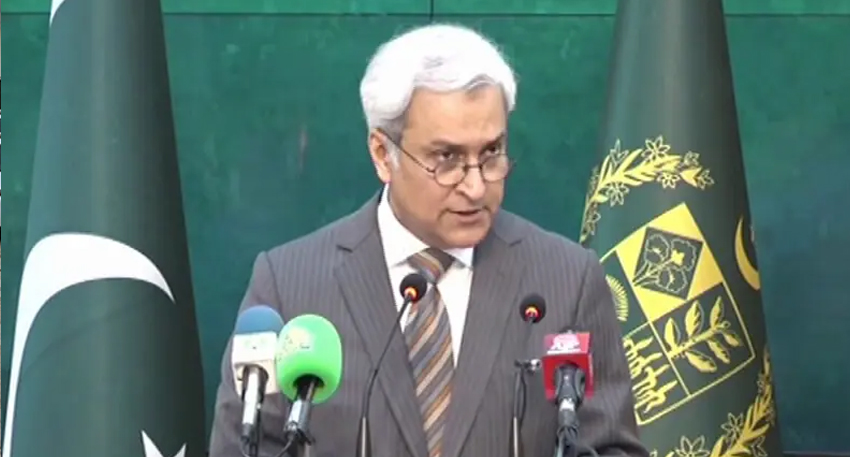
FO spokesperson Andrabi added that scheduling issues may also be a factor. He stressed that Pakistan will keep its border with Afghanistan closed until Kabul provides ‘firm guarantees’ for non-involvement in anti-Pakistan agendas.
Andrabi warned that cross-border terrorism is not limited to TTP or TTA militants; Afghan nationals have also been involved in serious crimes in Pakistan. He said the recent reopening of the Torkham and Chaman borders was only for humanitarian aid.
Pak-Afghan tensions
Previously, Pakistan closed these borders on October 12 after Afghan Taliban and allied militants attacked multiple Pakistan Armed Forces posts. Clashes on the night of October 11–12 resulted in over 200 Taliban deaths, while 23 Pakistani soldiers were martyred.
In retaliation, Pakistan conducted precision strikes inside Afghanistan, targeting terrorists in Kandahar and Kabul.
Therefore, a temporary 48-hour ceasefire was announced on October 15 at Afghanistan’s request.
The two sides reached a formal ceasefire agreement on October 19 in Qatar, mediated by Doha and Turkiye.
Further talks in Turkiye later faced challenges when Pakistan rejected the Taliban delegation’s “illogical” arguments and failure to address cross-border security concerns.
Mediators persuaded Pakistan to give the talks another chance, resulting in an agreement to uphold the ceasefire.