Schools closed in Punjab and the alternative is online studies after the government ordered all educational institutions to shut temporarily due to the fuel crisis and regional tensions.
Authorities announced that schools, colleges and universities across the province will remain closed from March 10 to March 31. Officials said the step was taken to reduce fuel use and manage the difficult economic situation caused by the ongoing regional conflict.
Despite the closures, examinations will continue according to the previously announced schedule. Education officials said that online classes will be arranged so that students can continue their studies from home without interruption.
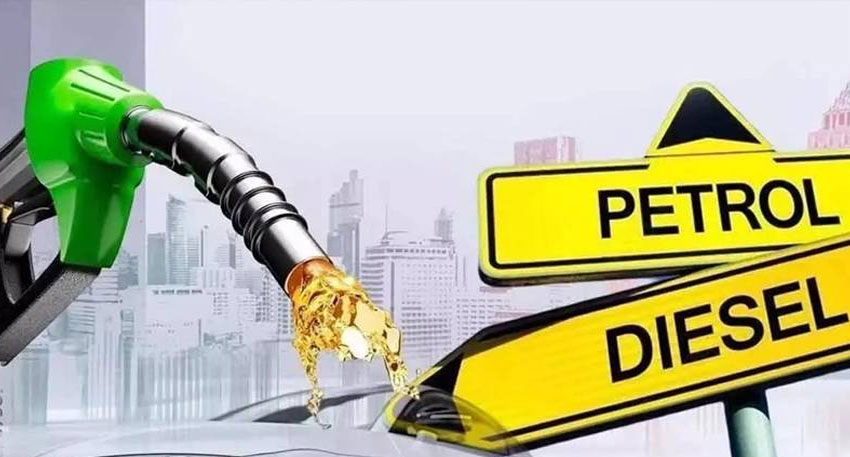
The provincial government believes that closing schools will help reduce daily travel by thousands of students, teachers and transport vehicles. This move is expected to lower petrol and diesel consumption at a time when fuel supplies are under pressure.
Read more: Bangladesh shuts universities, brings forward Eid holidays to save energy
Punjab Chief Minister Maryam Nawaz approved several emergency measures to deal with the crisis. These steps include strict fuel-saving policies and changes in the way government offices operate.
Under the new policy, fuel supply for provincial ministers has been completely suspended until the petroleum situation improves. Petrol and diesel allowances for government officers’ vehicles have also been reduced by 50%.
The government has also introduced a “work from home” policy for many departments. Only essential staff will attend offices while the remaining employees will work remotely. Official meetings will now take place through online platforms and teleconferences.
Public services such as e-business facilities and the “Maryam ki Dastak” service will continue without interruption. However, outdoor government events across Punjab have been banned for now, and the famous Horse and Cattle Show has been postponed.
To prevent fuel misuse, district petroleum monitoring committees will be formed in every district. The Punjab Information Technology Board has been asked to develop a track and trace system for petroleum products with the help of district administration and police.
Read more: Punjab shuts schools until March 31 amid petrol crisis
Authorities have also instructed officials to monitor transport fares closely and take strict action against overcharging. At the same time, district administrations have been asked to keep a close watch on the supply of essential food items.
Citizens have been advised to avoid large gatherings, unnecessary late-night shopping and panic buying of essential goods. The government says such steps will help keep the situation stable.
Chief Minister Maryam Nawaz also praised Shehbaz Sharif and Asim Munir for taking what she described as brave decisions during the crisis. She warned that strict action would be taken against anyone trying to exploit the situation.
The closure of schools is mainly aimed at saving fuel and reducing daily travel. Online studies are being used as the main alternative so that education does not stop. This crisis has pushed the government to quickly expand digital learning and remote work. If the fuel shortage continues, such temporary measures may remain in place for a longer period.