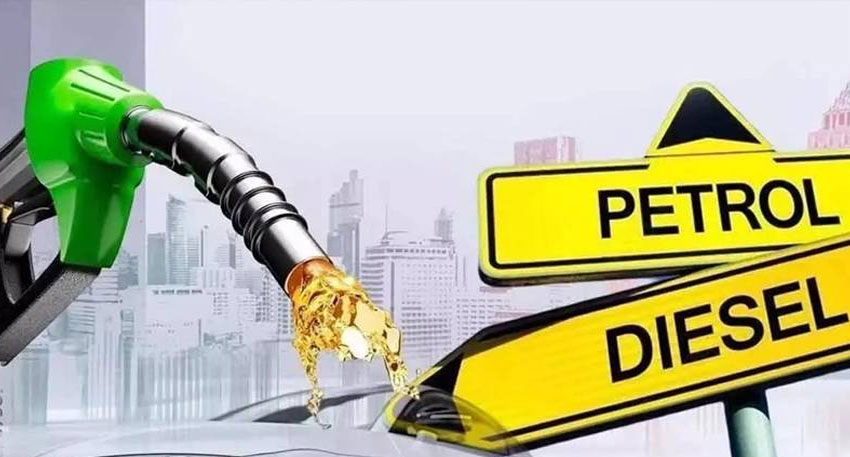
The initiative aims to ensure fair fuel distribution during rising prices and the ongoing energy crisis.
The government is shifting towards a technology-based system to replace manual fuel distribution methods. This move is expected to improve transparency and reduce misuse in the fuel supply process.
Under the new plan, citizens will register their CNIC and vehicle details through the mobile app. This system will allow authorities to assign fuel quotas based on clear eligibility criteria.
Petrol and diesel quota system
The app will manage both petrol and diesel quotas for eligible users. This step shows the government’s plan to control overall fuel usage more effectively.
Officials believe this system can balance supply and demand across the country. It may also help prevent sudden fuel shortages.
Priority for bikers and rickshaw users
Motorcycle and rickshaw users are expected to receive priority under the scheme. They may get up to 20 litres of subsidized petrol per month through the app.
This decision mainly targets low-income groups who rely on daily travel. It is designed to provide direct financial relief.
Uncertainty for small car owners
A final decision has not yet been made about including cars up to 800cc. This has created uncertainty among small car owners.
Authorities are still reviewing different options before making an announcement. The final decision could expand the scope of the program.
Registration process made simple
Users will download the official fuel quota app on their mobile phones. They will then enter their vehicle details and CNIC number.
After verification, the system will assign a digital fuel quota. Users will be able to view their quota directly in the app.
Digital vouchers for fuel purchase
Approved users will receive digital vouchers inside the app. These vouchers must be shown at selected petrol pumps to get subsidized fuel.
The system will strictly control fuel purchases based on assigned quotas. This will prevent overuse and misuse.
Nationwide petrol pump integration
Around 12,000 petrol pumps will be connected to this digital system. This large network will ensure access for users across the country.
Each petrol pump will install two dedicated nozzles for subsidized fuel. Staff will also be trained to guide users during the process.
Technology and operational support
Oil marketing companies will provide mobile devices for verification at petrol stations. The Ministry of IT and National IT Board will manage system operations.
This coordination is expected to improve efficiency and reduce technical issues. Strong support will be essential for smooth functioning.
Transparency and monitoring measures
Each fuel quota will be linked to a user’s CNIC and vehicle registration number. This will help track usage and ensure accountability.
The system will include real-time monitoring and a 24/7 complaint mechanism. Training materials will also be provided for users and staff.
Strict measures to prevent misuse
Users will not be allowed to purchase fuel beyond their assigned quota. This rule is aimed at stopping hoarding and illegal selling.
Authorities believe these safeguards will strengthen the system. Without strict control, the scheme could face serious problems.
Backup plan for fuel emergencies
The government is also preparing backup strategies to deal with global fuel disruptions. These plans aim to ensure supply during emergencies.
Officials say multiple options are under review. This reflects concern about international fuel uncertainty.
Expected impact on citizens
Experts believe the system can improve fuel availability during shortages. It may also ensure fair distribution among citizens.
Better monitoring can reduce pressure on national fuel reserves. It can also improve accountability in the supply chain.
Challenges and public response
The success of the system depends on public adoption and smooth operation. Technical issues could slow down its effectiveness.
Read more: Punjab offers relief package for motorcycle owners amid petrol hike
Authorities will need to ensure the app is easy to use. Public trust will play a key role in its success.
Read more: Govt considers early closures, 10pm limit for halls, restaurants
This plan looks useful but it depends on execution. If the system runs well, people will benefit. If there are problems, users may face difficulties. The real impact will become clear after implementation.