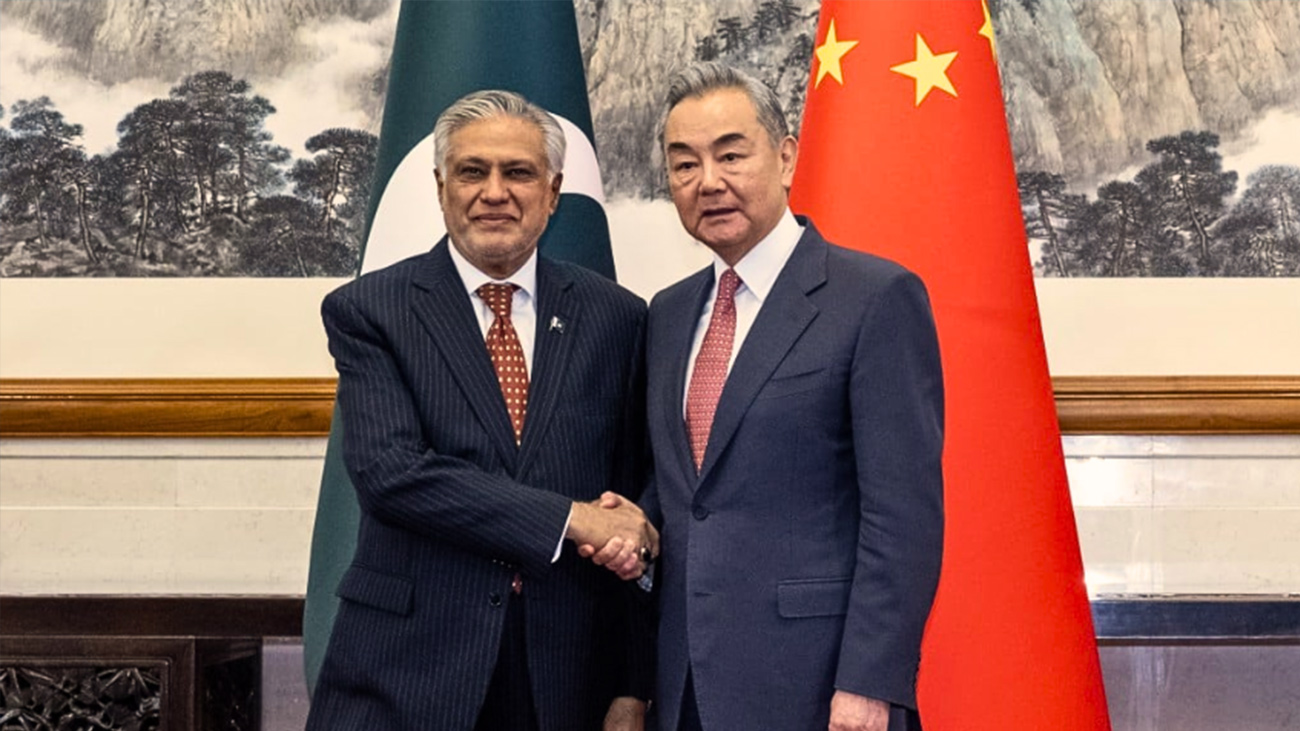
The visit comes as Pakistan steps up diplomatic efforts during the ongoing conflict involving Iran, the United States, and Israel.
The Foreign Office said Pakistan and China share an “all-weather strategic cooperative partnership”. Officials added that the visit will allow both countries to discuss regional developments, bilateral cooperation, and global issues in detail.
Interestingly, Dar is continuing the visit despite medical advice to rest after suffering a minor shoulder fracture. Officials said his decision shows how important Pakistan considers its relationship with China.
Also Read: Pakistan likely to join proposed Strait of Hormuz Consortium
The visit comes at a time when Pakistan is playing an important role in diplomatic communication between Iran and the United States. Islamabad has been passing messages between the two sides and encouraging dialogue to reduce tensions in the region.
Just a day earlier, Pakistan hosted a major meeting of foreign ministers from Saudi Arabia, Turkey, and Egypt in Islamabad. The leaders discussed the worsening situation in the Middle East and called for an immediate and permanent end to the war.
Foreign Minister Prince Faisal bin Farhan of Saudi Arabia, Hakan Fidan of Turkey, and Badr Abdelatty of Egypt attended the talks. The meeting focused on ways to reduce tensions and encourage diplomatic solutions.
Also Read: DPM Ishaq Dar stumbles while welcoming Egyptian Foreign Minister
The war between the United States, Israel, and Iran has now entered its second month after starting on February 28. The conflict has spread across the region and caused serious political and economic consequences.
Iran’s restrictions on shipping through the Strait of Hormuz have disrupted global oil and gas supplies, affecting economies worldwide. At the same time, Israeli forces have reportedly carried out more than 140 air strikes in one day on targets inside Iran.
The conflict is also expanding beyond the main battlefield. Air strikes have damaged major aluminium plants in Bahrain and the United Arab Emirates, while Yemen’s Houthi fighters have launched drone attacks toward Israel, increasing fears of a wider regional war.