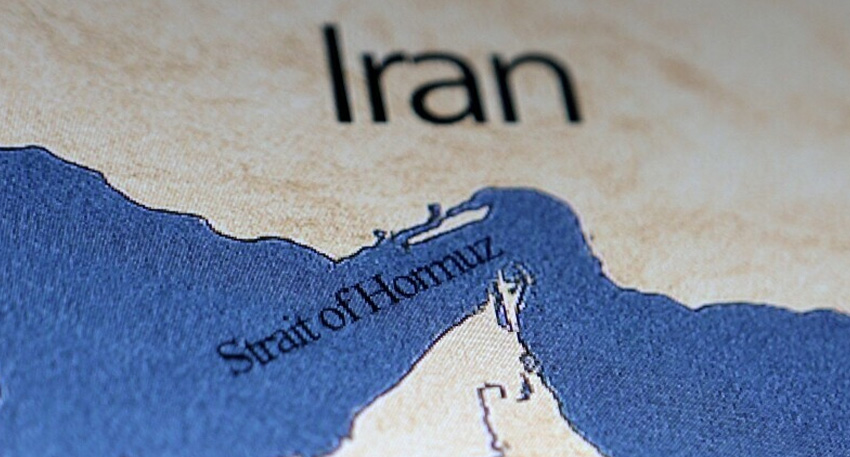
A major diplomatic development has emerged as Pakistan hosted high-level talks aimed at addressing the escalating crisis surrounding the Strait of Hormuz, one of the world’s most critical energy corridors.
According to a report by Reuters, discussions included proposals to form a multinational consortium that could manage and secure shipping through the strategically vital waterway, with Pakistan potentially being invited to join the framework.
Pakistan Emerges as Key Mediator in Strait of Hormuz Crisis
The talks held in Islamabad brought together foreign ministers and senior representatives from Turkey, Egypt, and Saudi Arabia, highlighting growing regional coordination efforts to de-escalate tensions.
Diplomatic sources say Pakistan’s unique position—maintaining ties with both Western powers and Iran—has elevated its role as a potential mediator in Middle East maritime tensions.
Strait of Hormuz Consortium Proposal Under Discussion
One of the key proposals discussed includes the formation of a Strait of Hormuz management consortium, similar in structure to the Suez Canal authority model. The plan reportedly aims to regulate shipping traffic, ensure safe passage, and stabilize global energy supply chains.
Some proposals also suggest introducing transit fees for vessels passing through the strait to fund security and operational oversight.
However, Pakistani officials have not yet confirmed any formal commitment to joining the consortium.
Also Read: Iran threatens US Troops if Trump orders ground invasion
Global Energy Route Under Pressure
The Strait of Hormuz shipping crisis has intensified after weeks of regional conflict involving Iran, the United States, and Israel, which has significantly disrupted maritime traffic.
The strait handles nearly 20% of global oil and liquefied natural gas shipments, and partial disruptions have already contributed to volatility in international energy markets.
Rising Oil Prices and Security Concerns
The ongoing tensions have pushed global oil prices upward, with fears of prolonged disruption affecting supply chains across Asia, Europe, and North America.
Security experts warn that continued instability could lead to long-term impacts on global trade routes if diplomatic solutions are not implemented quickly.
Pakistan’s Diplomatic Balancing Role
Pakistan’s strategic geographic position and diplomatic engagement with both regional and global powers have made it a key player in ongoing negotiations.
Reports also suggest that senior Pakistani military leadership remains in contact with US officials to support diplomatic coordination efforts aimed at stabilizing the region.
Regional Powers Push for Maritime Stability
Turkey and Egypt have reportedly emphasized the importance of restoring safe maritime navigation as a first step toward broader ceasefire negotiations.
Officials believe that securing shipping lanes could pave the way for a more comprehensive political settlement in the region.