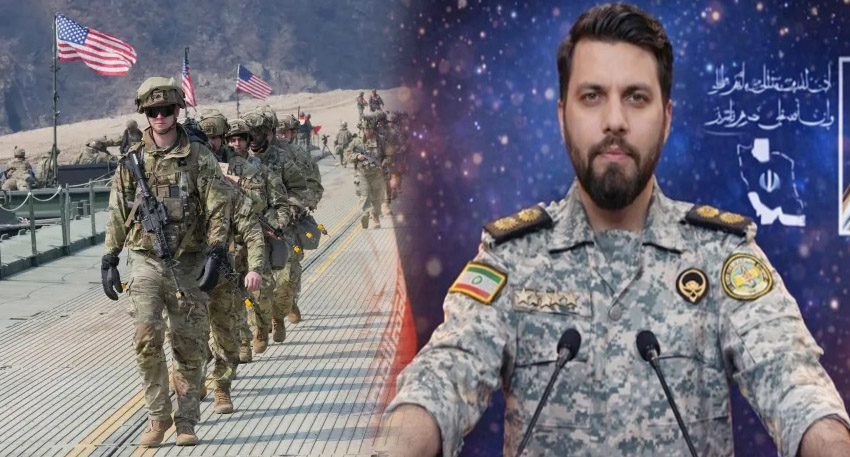
The escalating Iran–US conflict tensions have reached a new peak after senior Iranian officials issued a direct and fiery warning to the United States, vowing to “set fire” to American troops if a ground invasion is launched under a potential order from Donald Trump.
The statement came from Speaker of Iran’s Parliament Mohammad Bagher Ghalibaf, who declared that Iran is fully prepared for any ground military operation by the United States and its allies.
Iran Issues Direct Threat to US Ground Forces
In remarks broadcast through Iranian state media and reported by agencies including IRNA, Ghalibaf warned that Iranian forces are “waiting for the arrival of American troops on the ground to set them on fire,” signaling a sharp escalation in rhetoric.
He further accused the United States of publicly speaking about negotiations while secretly preparing for military escalation, calling it a strategy of deception amid rising tensions.
US Military Movements in the Middle East
The warning follows reports from US defense sources suggesting that the Pentagon is awaiting approval for possible ground operations in Iran. Meanwhile, thousands of US naval personnel and marines have reportedly been deployed to the Middle East aboard the USS Tripoli, according to US Central Command updates.
These developments have intensified fears of a wider regional conflict involving multiple military fronts.
Iran Warns of Wider Regional Retaliation
Ghalibaf also warned that Iran would not limit its response to US forces alone, but would also target regional allies supporting Washington. He stated that Iran would “punish their regional partners forever” if attacked.
He dismissed US strategic proposals as unrealistic, claiming they reflect failed wartime objectives and will not force Tehran into surrender or political humiliation.
Also Read: Pentagon plans extended ground operations in Iran, report says
Broader Middle East Conflict Expands
The situation is further complicated by continued attacks from Yemen’s Houthi Movement, which has launched missile strikes toward Israel and disrupted Red Sea shipping routes.
Security concerns have prompted warnings from the European Union Naval Force, advising commercial vessels to avoid Yemeni waters due to risks of renewed attacks in the Red Sea and Gulf of Aden.
Global Oil Market Under Pressure
The ongoing crisis has triggered sharp volatility in global energy markets, with oil prices surging significantly. Analysts report that Brent crude is on track for its strongest monthly gain in decades, comparable to spikes seen during the Gulf War era.
The disruption has also raised concerns about maritime trade security, particularly around the Strait of Hormuz, one of the world’s most critical oil transit routes.
Regional Diplomatic Efforts Continue
Amid escalating tensions, countries including Pakistan, Turkey, Egypt, and Saudi Arabia have reportedly engaged in discussions aimed at stabilizing maritime routes and preventing further disruption in global shipping.
Military Strikes and Casualties Reported
Recent reports indicate continued cross-border strikes across the region, including missile and drone attacks that have caused injuries to military personnel in Gulf states. Damage has also been reported at several strategic installations, including US-linked airbases and Israeli industrial facilities.
Iranian officials have dismissed claims of limited damage from retaliatory strikes, insisting that their operations have had significant impact on enemy infrastructure.
Iran Reaffirms Resistance Policy
Iranian leadership reiterated its stance of resistance, with state media highlighting messages of support from regional allies and reaffirming its commitment to continued military readiness.
Officials stressed that Tehran will not accept pressure or surrender under foreign threats, signaling continued escalation risks in the region.