

Pakistan targets 90% clean electricity by 2035 with new plan
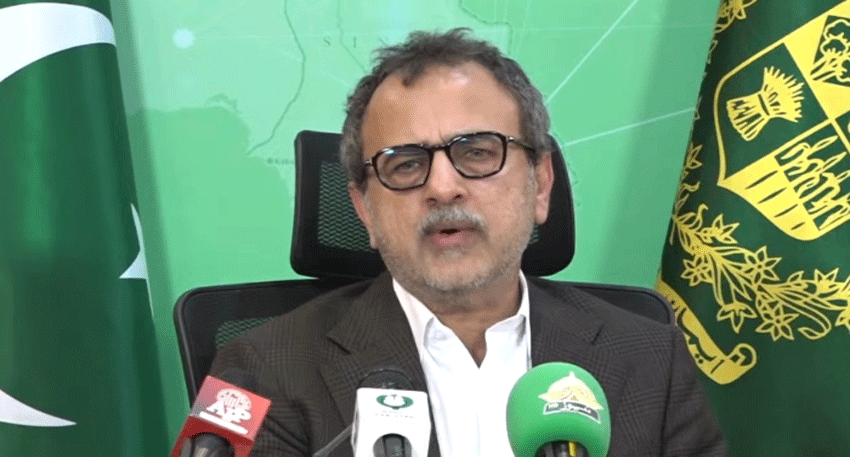
The federal government has announced an ambitious plan to increase the share of clean electricity in Pakistan’s power system to 90 percent by 2035.
Federal Minister for Power Awais Leghari shared the roadmap during the Solar, Storage and Flexibility 2026 Conference. He said the country is moving towards cleaner energy while reducing dependence on imported fuels.
The minister also revealed that restrictions under Pakistan’s International Monetary Fund (IMF) programme are preventing the government from introducing a market-based electricity pricing system that could lower electricity costs for consumers.
Pakistan shifts towards a cleaner energy future
Awais Leghari said Pakistan is entering a new phase in its energy sector by focusing on renewable energy, grid flexibility and energy security instead of simply increasing electricity generation.
He explained that the government wants to protect consumers from global fuel price fluctuations while making better use of Pakistan’s rapidly growing rooftop solar sector.
According to the minister, nearly 38 gigawatts of distributed solar power has already been installed on rooftops across the country through private investment by consumers.
He described this rapid growth as a major achievement but said it has also created new challenges for the national power system.
During daylight hours, Pakistan now generates large amounts of solar electricity. However, the country still lacks enough battery storage systems to save surplus electricity for use during evening peak demand.
Leghari said this missing infrastructure has become one of the biggest obstacles to making renewable energy more reliable.
He recalled disruptions in RLNG supplies earlier this year, saying they exposed Pakistan’s dependence on imported fuels.
Despite having sufficient solar electricity during the daytime, the country still experienced load shedding because excess energy could not be stored for later use.
He stressed that battery storage is now essential rather than optional.
According to the minister, investing in battery technology will strengthen Pakistan’s energy security and reduce reliance on imported fuels.
Clean electricity already makes up more than half of power generation
Leghari said clean energy sources, including hydropower, nuclear energy, wind and solar, currently account for around 55 percent of Pakistan’s electricity generation.
However, he warned that renewable energy alone cannot solve Pakistan’s electricity problems without modern infrastructure.
He said investments in battery storage, stronger transmission systems and electricity market reforms are equally important for ensuring reliable power supplies.
Without these improvements, renewable energy may continue producing electricity only when weather conditions allow, making it difficult to meet demand throughout the day.
The minister said the government has developed a three-part strategy to achieve its long-term clean energy targets.
The first priority is expanding battery energy storage systems across the national electricity grid.
The second goal is encouraging local battery assembly and manufacturing to reduce imports, create employment opportunities and strengthen domestic industries.
The third focus is introducing regulatory reforms that provide investors with long-term confidence and encourage further investment in Pakistan’s clean energy sector.
Leghari said these measures are necessary if Pakistan wants to successfully increase clean electricity production over the next decade.
Also Read:Islamabad launches Rs5b Expressway expansion to boost connectivity
IMF restrictions delaying flexible electricity tariffs
During a question-and-answer session after his speech, the power minister discussed another challenge facing Pakistan’s electricity sector.
He said restrictions linked to Pakistan’s IMF programme are stopping the government from introducing a flexible electricity tariff system.
According to Leghari, the proposed system would allow electricity prices to change according to the actual cost of producing power at different hours of the day.
This approach, often called time-of-use pricing, could encourage consumers to use more electricity when power is cheaper and renewable energy is widely available.
He explained that the government has been discussing the proposal with the IMF for several months.
Officials believe such reforms could reduce electricity costs for consumers while encouraging greater use of clean energy.
However, until an agreement is reached, Pakistan cannot fully implement the flexible pricing model.
The minister said electricity sector reforms remain a government priority as authorities continue discussions with international financial institutions.
He added that achieving Pakistan’s long-term energy goals will require cooperation between policymakers, investors and development partners.


