

Islamabad launches Rs5b Expressway expansion to boost connectivity
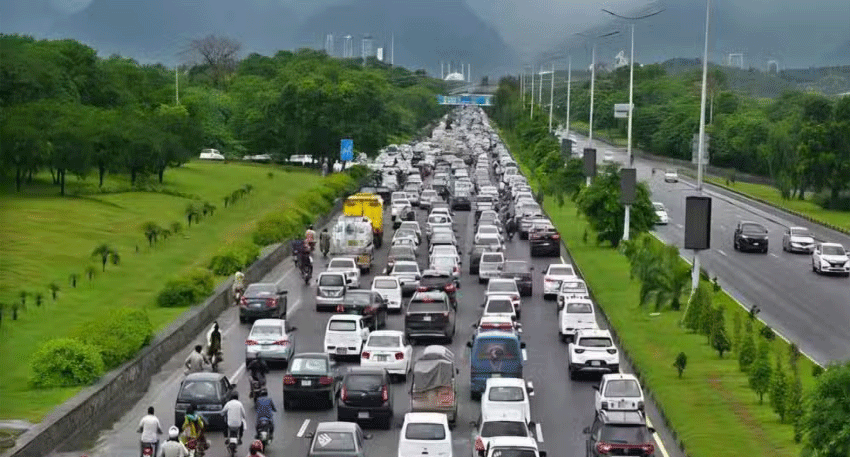
Islamabad Expressway expansion begins with Rs5b project
The Capital Development Authority (CDA) has launched a major infrastructure project worth Rs5.072 billion to expand Islamabad’s road network. The project includes the construction of a 9.25-kilometre six-lane carriageway along the existing Service Road East from Faizabad to Koral Chowk near Gulberg Housing Society.
The new road will run parallel to the Islamabad Expressway, one of the busiest routes in the federal capital. Officials believe the expansion will significantly reduce traffic congestion, improve travel for thousands of daily commuters and strengthen transport links between different parts of Islamabad.
The project is also expected to increase commercial activity along the corridor by making businesses more accessible and improving property values in nearby commercial areas.
New road expected to improve daily travel
According to CDA officials, the Islamabad Expressway expansion is designed to provide an alternative route for vehicles that currently rely on the main expressway. Heavy traffic during peak hours has remained a major challenge for commuters travelling between Faizabad and Koral.
The six-lane carriageway is expected to reduce travel time and provide smoother traffic flow for residents living in surrounding areas. Improved road connectivity will also benefit people travelling to housing societies, commercial centres and industrial areas located along the route.
Officials say the project will support the capital’s growing population by improving road infrastructure before traffic volumes increase further in the coming years.
The improved road network is also expected to encourage new investment in businesses located along the Service Road East corridor. Better accessibility often attracts commercial development and increases customer activity for local markets.
Utility relocation remains the biggest challenge
Before construction can move ahead at full speed, several utility services must be shifted from the project site. Around Rs500 million has been allocated for relocating essential infrastructure, including fibre-optic networks and utility installations.
The relocation work involves infrastructure belonging to the Islamabad Police Safe City Project, the Strategic Plans Division (SPD), Sui Northern Gas Pipelines Limited (SNGPL) and the Islamabad Electric Supply Company (IESCO).
According to official estimates, workers will relocate 11kV electricity distribution lines, 242 electricity poles and 248 graves located within the construction area. Earthwork has already started, but utility relocation work is still awaiting completion.
Officials say the relocation of these services is necessary to avoid interruptions during construction and ensure the project remains on schedule.
Environmental protection included in the project
The CDA has also included environmental protection measures in the Islamabad Expressway expansion plan. Officials say 22 underground water channels, natural streams and stormwater drains located within the project area will be protected during construction.
These measures are intended to minimise environmental damage while maintaining the natural drainage system around the new road. Engineers will also ensure that water flow is not disrupted during or after construction.
The authority says balancing development with environmental protection remains an important part of the overall project planning process.
Also Read:Sindh to launch youth card for 100,000 young people — Here’s who to apply
Completion target shortened to speed up work
A senior CDA official said the original completion period of 12 months has now been reduced to between six and eight months. The authority hopes to complete the road much earlier to provide relief to commuters as soon as possible.
However, officials acknowledged that shifting utility infrastructure remains the biggest obstacle. Delays in relocating electricity lines, fibre-optic cables and other services could affect the construction schedule.
Once completed, the six-lane carriageway is expected to reduce pressure on the Islamabad Expressway and provide a faster and safer travel experience for daily commuters.
The project also reflects the government's broader efforts to improve urban infrastructure, support economic activity and modernise Islamabad’s transport network. Better roads are expected to help businesses grow while making travel easier for residents across the capital.


