

Will MDCAT 2026 passing marks be lowered? NA body makes decision
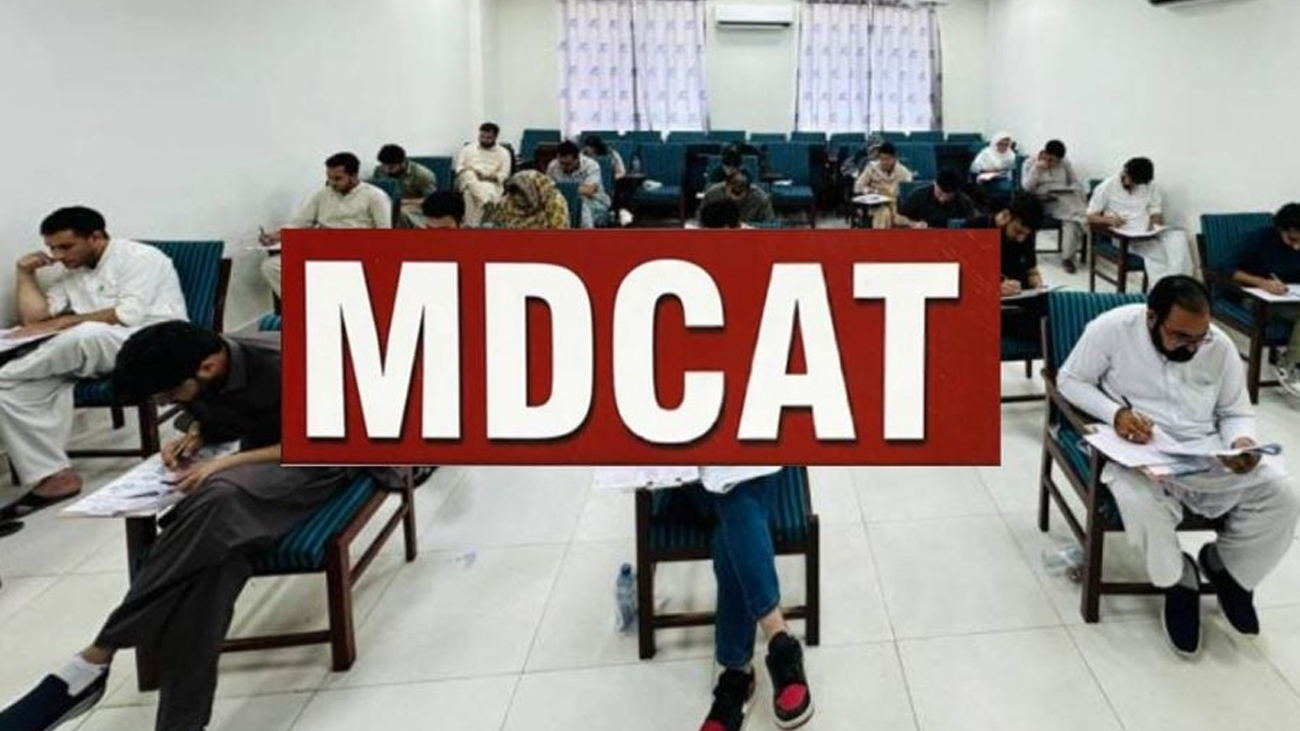
The National Assembly Standing Committee on National Health Services, Regulations and Coordination unanimously opposed any reduction in MDCAT passing marks. The committee supported the existing admission standards for medical and dental colleges across the country.
The meeting was chaired by Dr Mahesh Kumar Mallani and focused on MDCAT 2026 preparations. Members also reviewed medical education reforms and challenges facing the pharmacy sector.
Officials informed the committee that MDCAT 2026 will be held on August 16. Authorities said several new measures are being introduced to improve transparency and strengthen confidence in the examination process.
To make the test system more secure, the question bank has been expanded from 6,000 to 8,000 questions. Provinces will also receive three separate question papers, with one paper selected for the final examination.
The committee was told that admissions will continue under the existing formula. Students’ final merit will be based on 10% matric marks, 40% intermediate marks and 50% MDCAT scores.
According to officials, the MDCAT paper will contain 45% Biology, 25% Chemistry and 20% Physics. English and Logical Reasoning will each carry 5% of the total weightage.
Around 135,000 students have already registered for the exam. The test will consist of 180 multiple-choice questions and will be completed within three hours.
Also read: Govt changes MDCAT exam schedule
Officials confirmed that there will be no negative marking in the examination. The minimum passing marks will remain 55% for MBBS admissions and 50% for BDS admissions.
The committee also discussed private medical college fees. Annual tuition charges were capped between Rs1.8 million and Rs2.5 million, while institutions were directed to explain their fee structures.
Members further instructed the Pharmacy Council to update its rules. The council was asked to revise regulations introduced in 1967 to better address modern challenges in the profession.
The decision removes uncertainty for thousands of MDCAT candidates. Students can now prepare with a clear understanding of the qualifying criteria.
The expansion of the question bank and multiple paper options may help improve transparency. These steps could strengthen trust in the examination process and reduce concerns about fairness.


