

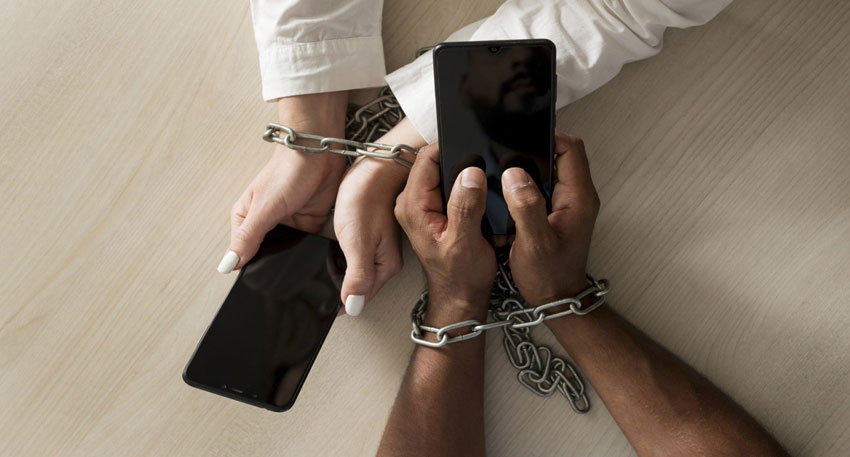
Smartphones are now used for everything, from work calls and emails to staying in touch with family and friends. This heavy dependence has made phones a constant presence in daily life, raising serious questions about their impact on mental health.
Read more: Rs40,000 monthly stipend: Rescue 1122 offers paid internships for youth
Recent research suggests that constant phone use may disturb social and emotional control, reduce focus, and even encourage lazy thinking. Experts say people struggle to concentrate when a phone is nearby, even if it is switched off, as the brain expects instant information.
Children are among the most affected. Studies show screen time among kids increased sharply in recent years. Doctors fear this may harm long-term development, especially social skills and emotional self-control, as screens replace human interaction and play.
Scientists have also found signs of chemical imbalance in the brains of young people addicted to smartphones. These changes may explain why many feel anxious or uncomfortable when separated from their phones.
Sleep is another major concern. The blue light from mobile screens disrupts natural sleep cycles, lowers melatonin levels, and reduces deep sleep. Poor sleep is linked to stress, anxiety, low mood, and mental fog.
Read more: Huge rush as 700,000 consumers apply for new SNGPL gas connections
Experts warn that relying too much on phones for memory, reminders, and answers may weaken problem-solving skills. While research is ongoing, specialists agree mindful phone use is now essential.
Phones are helpful, but overuse is risky. Small habits like screen limits can protect mental health. Awareness is the first step. Balance matters more than quitting completely.


