

Pakistan introduces Nationwide syringe ban and deportee screening to tackle rising HIV cases
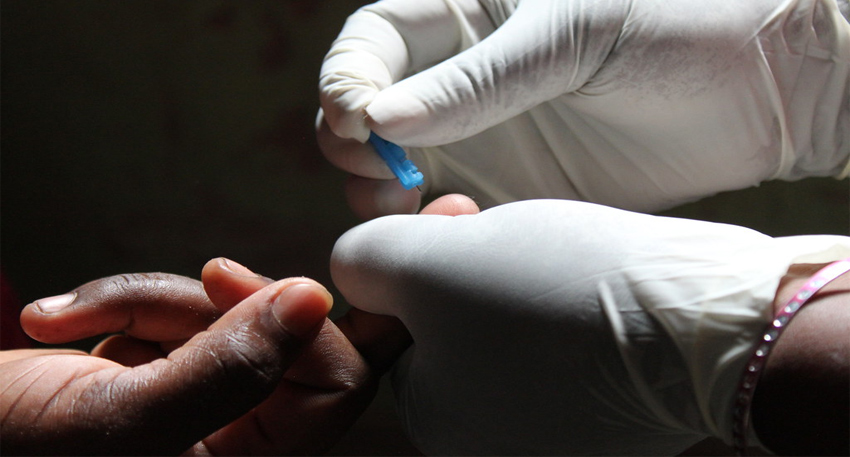
Pakistan has announced a series of new public health measures aimed at curbing the spread of HIV, including a nationwide ban on the reuse of all types of syringes and mandatory screening of deported citizens at ports of entry, Health Minister Mustafa Kamal informed lawmakers on Tuesday. The decision follows growing concern over infection clusters in parts of the country and recent media reports highlighting unsafe medical practices.
Officials said the move comes after a BBC report revealed that 331 children in Taunsa, Punjab, tested positive for HIV between November 2024 and October 2025, linked to reuse of syringes and unsafe hospital practices, including contaminated equipment and multi-dose vials at a local health facility.
The minister told the National Assembly’s Standing Committee on Health that while Pakistan had previously banned the reuse of 2.5cc and 3cc syringes in 2021, enforcement gaps allowed 10cc syringes to continue being reused in some areas. He said the prime minister has now directed a complete nationwide ban on syringe reuse.
Also Read: Do lungs really regenerate after quitting smoking? Experts explain the truth
Officials also raised concerns about the potential public health risk posed by deported individuals who may be unaware of their HIV status. The government has decided to implement screening protocols at airports and border entry points to identify infections early and prevent further transmission.
Health data showed 14,182 people tested positive for HIV out of 374,126 screened this year across 97 ART centers. Authorities noted treatment facilities increased from 49 in 2020 to 97, but about 20,000 registered patients are not actively receiving treatment.
Officials also highlighted funding constraints, saying Pakistan receives only a small portion of Global Fund allocations directly, with most support routed through international agencies and NGOs. The government said it is working to expand ART centers to 166 nationwide while improving monitoring and treatment coverage.