
Rs3.56 trillion Sindh budget: Where will billions be spent in FY2026-27?
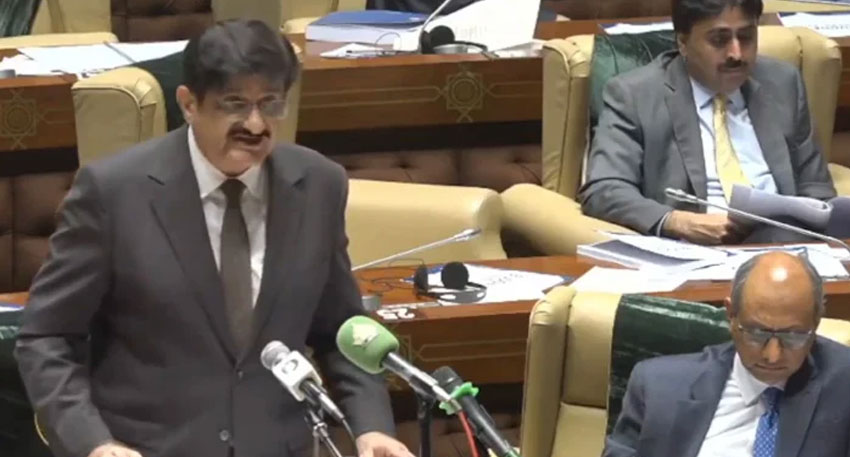
The budget focuses on development spending, social welfare and financial stability.
Rs2.56 trillion current expenditure
The Sindh government has estimated current expenditure at Rs2.56 trillion. Capital expenditure has been set at Rs281.7 billion.
Officials said the spending plan aims to improve public services and strengthen infrastructure. The government expects better financial management in the upcoming fiscal year.
The budget session began after a delay due to protests by lawmakers of the Muttahida Qaumi Movement-Pakistan (MQM-P). Opposition members said they were not consulted before the budget presentation.
MQM-P leader Ali Khurshidi announced a boycott of the session. He said the opposition expected greater involvement in the budget-making process.
Rs720.39 billion allocated for development projects
The provincial government has earmarked Rs720.39 billion for development programmes. The funding will support infrastructure, transport, health and social welfare schemes.
Officials believe these investments will create jobs and improve public facilities. Development spending remains one of the largest components of the budget.
Rs402 billion allocated for the health sector
The Sindh government has proposed Rs402 billion for healthcare services. The allocation aims to improve hospitals, medical facilities and access to treatment.
Officials said strengthening public healthcare remains a key priority. The government plans to expand healthcare coverage across the province.
Rs185 billion for transport and communication
The budget proposes Rs185 billion for transport and communication projects. The funding will support roads, public transport systems and connectivity initiatives.
The government expects these projects to reduce travel time and improve economic activity. Better transport networks are also expected to attract investment.
Rs103 billion allocated for irrigation projects
The irrigation sector has been allocated Rs103 billion. The funding is aimed at improving canals, water management systems and agricultural support.
Officials said water security remains critical for Sindh’s economy. New projects will focus on efficient water use and flood management.
Rs49b for sanitation and Rs347.6b for LG
The government has allocated Rs49 billion for sanitation projects. Local government and service delivery programmes will receive Rs347.6 billion.
Authorities said these funds will improve municipal services and waste management. The allocation is expected to strengthen urban infrastructure.
Rs222 billion allocated for law and order
The Sindh government has proposed Rs222 billion for law and order initiatives. The allocation aims to improve policing, security infrastructure and public safety.
Officials said maintaining peace is essential for economic growth. Additional resources will be used to strengthen security institutions.
Rs8.45 billion relief package announced after Gul Plaza fire
CM Murad referred to the deadly Gul Plaza fire during his speech. He said the government had approved a relief package worth Rs8.45 billion.
The package includes compensation of Rs10 million for the family of each deceased victim. Officials described it as one of the largest relief packages approved by the province.
Rs72.8b for agriculture, livestock and fisheries
The government has proposed Rs72.8 billion for agriculture, livestock and fisheries. The funding aims to support farmers and improve food production.
Officials said the allocation would help modernise farming practices. The government also plans to strengthen fisheries and livestock development.
Rs84b for energy, climate and environment
The energy, climate and environment sector will receive Rs84 billion. The allocation is intended to support sustainable development projects.
Authorities said environmental protection and climate resilience remain important priorities. New initiatives will focus on clean energy and conservation.
Rs3.5b for minorities and women development
The Sindh government plans to allocate Rs3.5 billion for minorities and women development programmes. CM Murad said this funding would remain protected from expenditure cuts.
Officials said the allocation aims to promote inclusion and equal opportunities. Special programmes will focus on social welfare and empowerment.
Rs22.8b for persons with disabilities
The budget proposes Rs22.8 billion for persons with disabilities. The chief minister said the allocation would remain fully protected.
The government plans to improve access to support services and welfare programmes. Officials said the funding would help create a more inclusive society.
Rs26.4b for social protection programmes
The provincial government has proposed Rs26.4 billion for social protection initiatives. The allocation aims to support vulnerable communities.
Officials said the funding would help reduce poverty and improve living standards. Several welfare programmes are expected to expand under the new budget.
Tax relief measures include 5pc education support tax and 2pc to 3pc insurance tax
The Sindh government has proposed reducing sales tax on education support services to 5pc. Tax on insurance agents and brokers is expected to fall from 5pc to between 2pc and 3pc.
Officials said the measures would reduce the financial burden on businesses and consumers. The government maintained its decision not to introduce new taxes.
“Every rupee has been directed towards projects that deliver the highest social and economic return for the people of Sindh”
CM Murad said the budget is “a carefully prioritised investment strategy designed to protect human development, strengthen infrastructure, improve connectivity, enhance water security, promote economic growth and create opportunities for future generations.”
He said the government remains committed to balanced development and long-term economic stability. Officials expect the budget to support growth across multiple sectors.
Minimum wage increase
Earlier, the Sindh cabinet approved the proposed budget during a meeting chaired by CM Murad. State-run media reported that the government had considered the needs of all segments of society.
The cabinet also approved an increase in minimum wages for workers. Officials said the budget includes measures aimed at reducing poverty.
Revenue collection reforms
Before presenting the budget, CM Murad reviewed the performance of key revenue-generating departments. He directed officials to improve collection systems and increase fiscal efficiency.
The government believes stronger revenue management will help finance development plans. Officials said better financial discipline remains essential for future growth.
Also read: Sindh govt proposes 7% salary and 5% pension raise in budget 2026-27
The Sindh government has tried to balance development spending with financial discipline. The decision to avoid new taxes may provide relief to businesses and households.
Large allocations for health, transport and local government show a strong focus on public services. However, the success of the budget will depend on timely implementation and stronger revenue collection.