
Rs15 petrol levy increase raises inflation fears in Pakistan
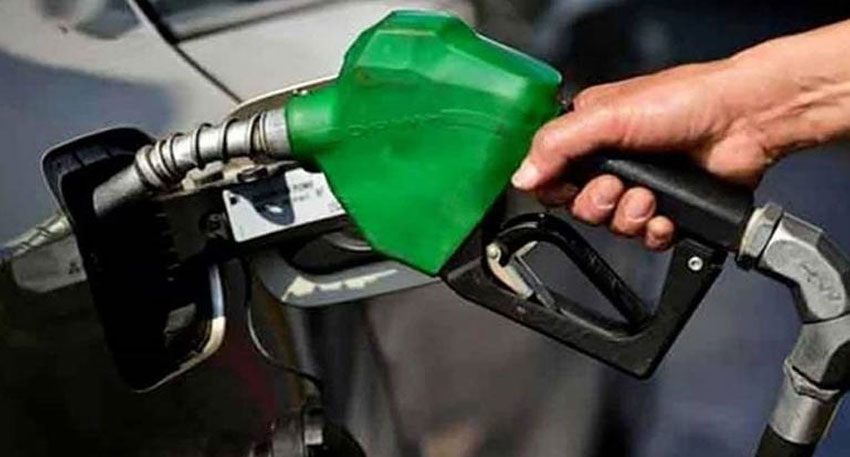
The federal government has increased the petroleum levy on petrol by Rs15.86 per litre in just one week. The sharp rise has sparked concerns among consumers already struggling with rising living costs.
According to available data, petrol could have been cheaper if the latest increase in the petroleum levy had not been imposed. Consumers might have received petrol at a significantly lower price than the current rate.
Figures show that petrol is currently priced at Rs310.71 per litre. Without the recent levy increase, the price could have been around Rs294.85 per litre.
Data revealed that the petroleum levy on petrol stood at Rs64.14 per litre until July 3. The government then increased it by Rs6.22 per litre from July 4 and added another Rs9.64 per litre from July 11.
After both increases, the petroleum levy on petrol has reached Rs80 per litre. The development has raised fears that higher fuel-related costs may further increase the burden on households.
Also read: Iran Strait of Hormuz closure raises fresh fears over global shipping
Economic experts say changes in petrol prices directly affect transport expenses and the cost of essential goods. As a result, everyday spending and household budgets may come under additional pressure.
Citizens argue that the impact of global oil prices, taxes and levies is ultimately passed on to the public. They have urged the government to take steps to reduce the tax and levy burden on petroleum products.
Fuel prices affect almost every part of daily life. If fuel-related charges continue to rise, transport costs and prices of basic goods may also increase in the coming weeks.