

Petrol pumps closure set for August 15 after dealers-govt talks fail
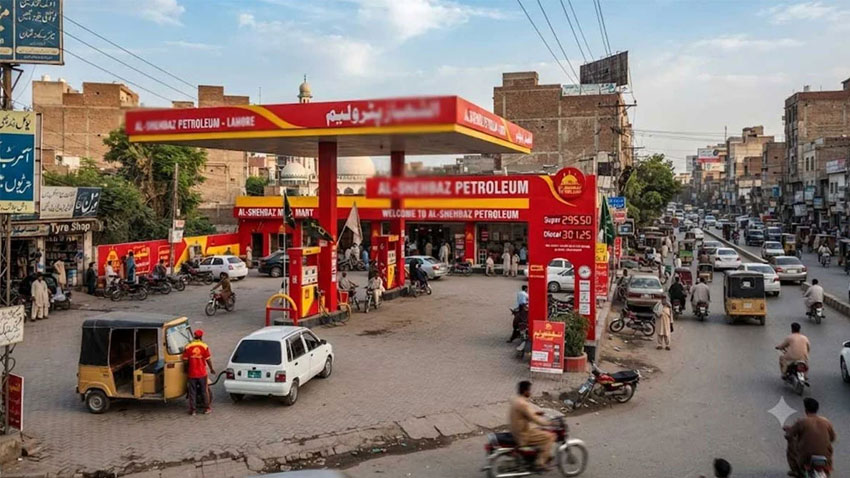
The Pakistan Petroleum Dealers Association has decided to maintain its nationwide strike plan.
The dealers and the Ministry of Petroleum held talks for nearly five hours under the leadership of Federal Petroleum Minister Ali Pervaiz Malik. However, the two sides could not settle their differences.
The association said the government refused to change the daily adjustment system for petroleum product prices. Dealers were also seeking an increase of Rs1.34 in their profit margin.
Dealers seek higher profit margin
According to the dealers, the government has given an assurance that the margin increase will be discussed. However, approval of the proposed increase has been linked to approval by the federal cabinet.
The lack of progress has increased tensions between the two sides. Dealers also expressed dissatisfaction with the conduct of the petroleum minister during the talks.
Following the failed negotiations, the dealers’ delegation decided to return to Karachi. The association also called an emergency meeting of its executive committee.
Nationwide strike plan remains
The Pakistan Petroleum Dealers Association said its decision to close petrol pumps across the country on August 15 remains unchanged. The association will decide its next steps during the emergency executive committee meeting.
The planned closure could affect fuel availability for motorists and businesses across Pakistan. The impact will depend on how many petrol pumps take part in the strike.
The dispute is mainly linked to the dealers’ margin and the government’s petroleum price adjustment system. Both sides have yet to reach an agreement that could prevent the planned closure.
What could happen next
The emergency meeting in Karachi is expected to determine the association’s next course of action. Dealers could review the strike strategy depending on the outcome of their internal discussions.
For consumers, a nationwide shutdown could create pressure at petrol stations if fuel supplies become limited. Any last-minute agreement between the government and dealers could still change the situation before the planned strike.
The failed talks show that the dispute between petroleum dealers and the government remains unresolved. The dealers appear determined to push for better margins before withdrawing their strike plan.
The biggest concern for consumers is possible disruption to fuel supplies. If the closure goes ahead across the country, motorists may face longer queues and limited fuel availability.
Also read: Pakistan Railways set to resume Shalimar Express with 14% discount
Also read: Petrol prices in Pakistan change as diesel becomes more expensive


