

Pakistan inflation rises as flour, chicken and LPG prices climb
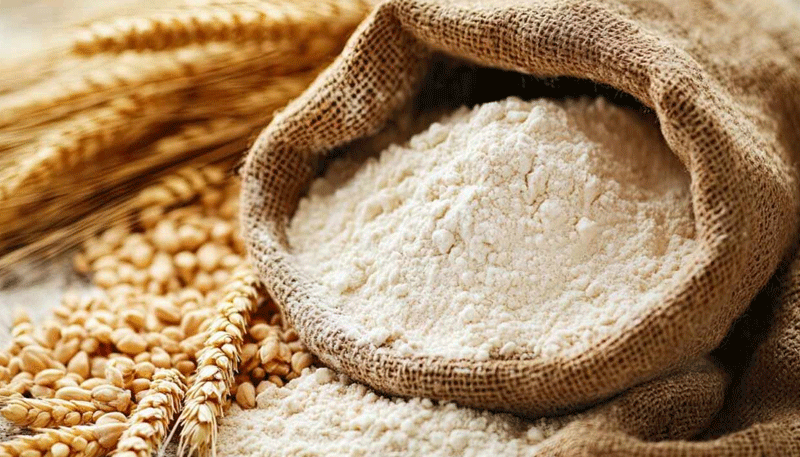
Flour prices push inflation higher
The Pakistan Bureau of Statistics (PBS) reported that short-term inflation increased by 11.85% in the week ending October 22. The Sensitive Price Index (SPI), which tracks essential goods, also rose 0.65% compared with the previous week.
The weekly index monitors 51 essential items in 50 markets across 17 cities. Prices of 19 items increased during the week, while 12 became cheaper and 20 remained unchanged.
LPG and chicken record sharp weekly increases
Liquefied petroleum gas (LPG) recorded the biggest weekly price increase, rising by 22.44%. Chicken prices climbed 12.20%, while onions became 4.19% more expensive.
Other items that increased in price included shirting, plain bread, wheat flour, garlic and firewood. Vegetable ghee, georgette, beef and pulse mash also recorded smaller increases.
In contrast, tomato prices fell by 21.99% during the week. Petrol dropped 3.63%, bananas became 2.42% cheaper, and diesel prices declined 1.68%.
Potatoes, gram pulses, eggs, powdered milk, broken basmati rice and sugar also recorded weekly price decreases. However, falling prices of some items did not prevent the overall inflation index from rising.
Essential goods become more expensive over a year
The annual figures show that LPG prices increased by 107.12%, while onion prices rose 72.81%. Electricity charges for the first quarter increased 58.59%, followed by petrol at 44.17% and diesel at 41.56%.
Chicken prices climbed 38.99% over the year, while wheat flour became 36.49% more expensive. Prices of chilli powder, mutton, beef, plain bread and prepared tea also increased.
Some commodities recorded major annual price declines. Tomatoes became 71.72% cheaper, potatoes fell 40.75%, sugar dropped 25%, and egg prices declined 22.14%.
Higher energy costs add to household pressure
The report comes as the government continues to raise petroleum prices amid higher energy costs. These increases can also raise the cost of transporting goods and producing food, adding to pressure on consumers.
This pattern is known as cost-push inflation, where higher production and energy costs lead to higher prices for goods and services. Families can face greater difficulty managing their budgets when essential items become more expensive.
Pakistan’s inflation remains a concern because many basic goods have become more expensive over the past year. Although prices of some items fell during the latest week, sharp increases in LPG, chicken and flour continue to put pressure on household budgets.
Also read: Lahore Basant 2027 dates confirmed as DC imposes limits on kites, strings


