

This question rises amid the government’s appeal to reduce petroleum and gas use by 50% as global fuel prices rise, warning against rising burden on the country.
Prime Minister’s Advisor on Political Affairs, Rana Sanaullah, spoke after Eid prayers, saying Pakistan faces internal and external challenges, and the political and military leadership are working to address them effectively.
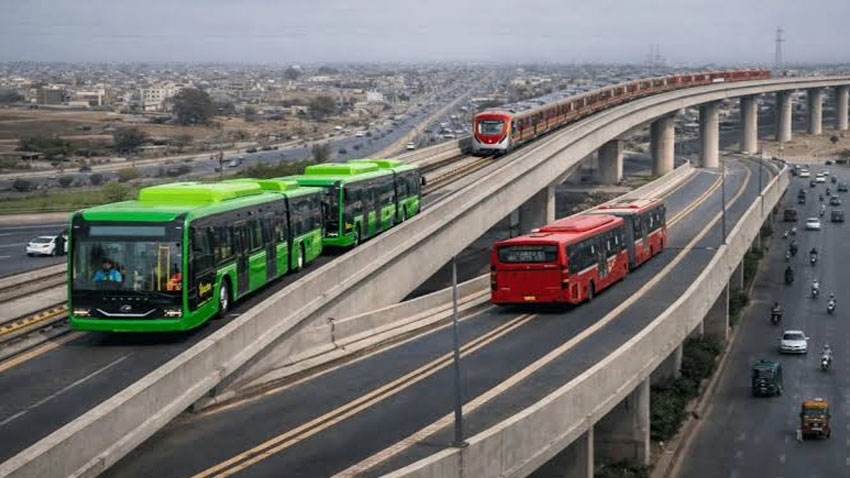
To cut petroleum use, people can rely more on public transport, including buses, metro systems, and shared rides. Carpooling among office-goers, students, and neighborhood groups can also reduce fuel demand and save money.
Read more: Cut petroleum and gas use by 50%, govt urges citizens amid fuel crisis
One key step is to rely more on public transport such as buses, metro systems, and shared rides. We should promote carpooling among office-goers and students.
Shifting to electric vehicles like cars, motorbikes, and rickshaws, supported by government incentives and expanding charging infrastructure, can further reduce fuel demand.
Fuel-efficient driving habits, including maintaining vehicles, driving at moderate speeds, and reducing unnecessary trips, also play a major role. Using alternative fuels like CNG, LPG, biofuels, and solar-powered options for vehicles can cut dependence on petroleum.
For short distances, walking, cycling, or using e-bikes and scooters provides a low-cost and eco-friendly option. Remote work and digital services can reduce commuting and transportation needs.
Alongside these individual efforts, government policies such as subsidies for public transport and EVs, awareness campaigns, and incentives for alternative fuel adoption can encourage widespread change. Small, consistent steps by millions of people can collectively make a significant impact, helping Pakistan reduce petroleum consumption and move toward a more sustainable future.
Read more: Is CM Maryam’s govt giving free transport on Eid like Basant relief?
People can cut petroleum use by 50 percent by taking following steps:
Rely on Public Transport
People of Pakistan can significantly reduce petroleum use by using public transport such as buses, metro systems, and shared rides. Carpooling among office-goers, students, and neighborhood groups can also cut fuel demand while saving money.
Shift to Electric Vehicles
Switching to electric cars, motorbikes, and rickshaws can reduce dependence on petroleum. Government incentives, tax breaks, and expanded EV charging infrastructure can encourage more people to make the switch.
Practice Fuel-Efficient Driving
Driving habits matter. Maintaining vehicles regularly, driving at moderate speeds, and avoiding unnecessary trips can save a lot of fuel. Planning errands efficiently and combining trips reduces overall petroleum consumption.
Use Alternative Fuels
CNG, LPG, biofuels, and solar-powered options provide cleaner alternatives to petrol and diesel. Industries, transporters, and individuals can gradually adopt these fuels to lower petroleum dependence.
Walk, Bike, or Use Micro-Mobility
For short distances, walking, cycling, or using e-bikes and scooters is practical and eco-friendly. Cities can promote bike-sharing programs and micro-mobility to reduce the need for fuel-powered vehicles.
Embrace Remote Work and Digital Services
Remote working and online services for shopping, banking, and government needs can cut unnecessary travel. Reducing daily commuting directly lowers fuel consumption and traffic congestion.
Supportive Government Policies
Government support is essential. Subsidies for public transport and EVs, awareness campaigns, and incentives for alternative fuel adoption can motivate people to change habits and collectively reduce petroleum use.
By combining smarter travel choices, cleaner fuels, electric vehicles, and government support, Pakistan can cut petroleum use by 50 percent. Small actions by millions of people add up to a big impact, saving money, protecting the environment, and building a sustainable future.


