

Pakistan Auto Policy 2026-31 could put 1.5 million jobs at risk, industry warns
Auto parts makers seek policy review
The Pakistan Association of Automotive Parts and Accessories Manufacturers (PAAPAM) has urged Prime Minister Shehbaz Sharif to review the draft Auto Policy 2026-31 before it is finalised. In a letter dated October 23, association chairman Abdul Rehman Aizaz warned that some proposals could weaken local manufacturing and put jobs at risk.
PAAPAM says the automotive parts industry includes more than 1,200 companies and supports around 1.5 million jobs. It also saves about $1.8 billion in imports each year by replacing foreign products and supplies locally made parts worth Rs700 billion to vehicle assemblers.
Tariff cuts raise concerns
The association is concerned about plans to reduce duties on completely built-up (CBU) imported vehicles and lower tariffs on imported auto parts. It also fears that special incentives for new-energy vehicles (NEVs) could make imported products more attractive than locally manufactured ones.
PAAPAM says these changes could reduce demand for parts made in Pakistan and weaken local suppliers. The association has asked the prime minister for a meeting to present alternatives that could protect local businesses while supporting the industry’s long-term growth.
Government plans major changes
The proposed five-year auto policy aims to increase exports, lower tariffs and encourage the use of electric vehicles. It targets a total of $6.01 billion in vehicle and auto-parts exports by 2030-31.
The draft also proposes gradually reducing tariffs on imported CBU vehicles and completely knocked-down (CKD) vehicle kits to as low as 15% by the end of the policy period. Proposed sales tax rates include 1% for battery electric vehicles, 6% for range-extended electric vehicles and 9% for plug-in hybrids.
Rising imports add to industry fears
The government has also proposed incentives linked to exports and measures to encourage manufacturers to use more locally produced parts. However, parts makers question whether these steps will offer enough protection to domestic businesses as the market opens to more imports.
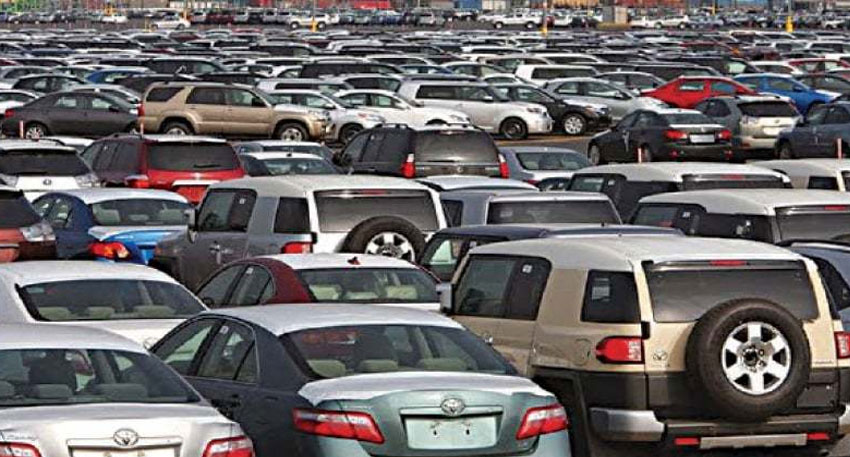
Reported figures show that imports of new CBU vehicles rose from 391 units in August to 2,407 in September. Used-car imports also increased, rising from 1,185 to 2,454 units during the same period, adding to concerns about competition for local manufacturers.
The proposed policy aims to make vehicles more affordable, encourage electric vehicle use and increase exports. However, lower import duties could create stronger competition for Pakistani parts manufacturers and affect jobs if local businesses cannot keep pace.
The government faces the challenge of balancing consumer choice with the growth of local industry. Clear support for local suppliers and a careful transition could help reduce the risk to jobs while allowing the sector to modernise.
Also read: New auto policy: Suzuki Cultus price drops by Rs500,000 in Pakistan?


